
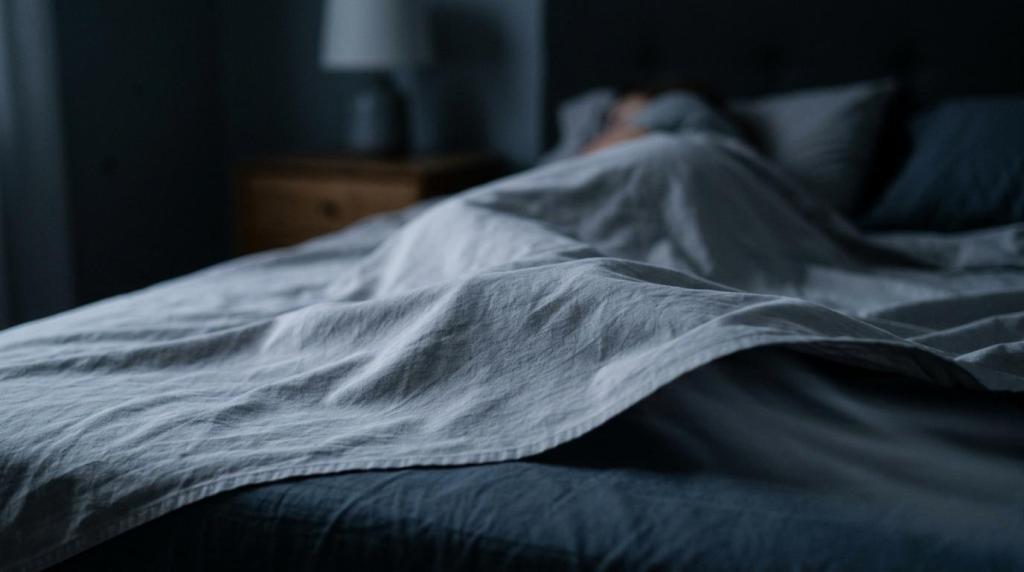
Antidepressant night sweats can disrupt sleep and soak sheets. Learn common causes, higher-risk meds, relief tips, and when to call a doctor.
If you started an antidepressant and now wake up sweaty, sticky, or flat out soaked, you are not imagining it. Night sweats are a real and fairly common medication side effect, especially with several antidepressants that affect serotonin and norepinephrine. For some people, it is mild. For others, it is bad enough to drench pajamas, soak sheets, and break up sleep night after night. The intensity of the excessive sweating can even be severe enough in some cases to be considered a form of hyperhidrosis, where the sweating goes beyond normal expectations.
That matters more than people think. When your sleep keeps getting interrupted by overheating, you miss the deeper, more restorative stages of sleep. Then the next day can feel rough, low energy, more irritable, more anxious, and sometimes even more depressed, which is especially frustrating when the medication is supposed to help you feel better.
From a medical standpoint, the goal is not just to treat symptoms during the day. It is also to protect sleep. If your antidepressant is helping your mood but causing night sweats, you usually have options. Some involve medication review with your clinician. Some involve cooling the bed environment so your body can release heat more effectively.
Night sweats are episodes of excessive sweating during sleep that can soak your sleepwear or bedding. They are different from just feeling warm because the room is stuffy or because you piled on too many blankets. In medication‐related night sweats, the sweating comes from inside the body, even when the room itself is reasonably cool. In some cases, the intensity of these episodes can even progress to clinical hyperhidrosis, a condition characterized by uncontrollable and excessive sweating that interferes with daily life.
Antidepressants can trigger this because they affect the brain chemicals involved in temperature regulation. SSRIs and SNRIs are the usual suspects. Serotonin interacts with the hypothalamus, which is the part of the brain that helps regulate body temperature. Norepinephrine can also push the body toward a more activated state, which may lower the threshold for sweating. In plain language, your body starts acting as if it needs to dump heat, even when it really does not.
That is why some people wake up hot, then suddenly cold once the sweat evaporates. The sweating itself can be intense, then the body overcorrects and you end up chilled, wide awake, and annoyed.
Common patterns tend to look like this:
A lot of search results on this topic ask the same basic question, is this dangerous or just annoying? Most of the time, antidepressant related night sweats are more disruptive than dangerous. Still, severe or new night sweats always deserve a quick check of the bigger picture, especially if you also have fever, weight loss, swollen lymph nodes, or unusual fatigue.
Some antidepressants are more strongly linked with sweating than others. Based on published studies, medication references, and what clinicians see in real practice, SSRIs and SNRIs are the most frequent causes. Tricyclic antidepressants can do it too. MAOIs can as well, though they are used less often now. Atypical antidepressants vary a lot from one drug to another.
The reported numbers are not perfect because studies use different definitions and patients describe symptoms differently. Still, the overall pattern is clear. Sweating is common enough that it should never be brushed off as rare if you are struggling with it.
Here is the short version:
Dose matters too. Night sweats often show up after starting a medication, after a dose increase, or during the first few weeks of treatment. Some people adapt and the sweating settles down. Others keep having symptoms for months on a steady dose.
A few factors can make the problem worse. Menopause or perimenopause can overlap with antidepressant effects. Anxiety can increase sweating on its own. High room temperature, alcohol, spicy food, diabetes-related hypoglycemia, thyroid disease, infection, sleep apnea, and other medications can all add fuel to the fire.
A bad night of sweating is not just uncomfortable. It can chip away at sleep in several ways at once. You may wake up overheated, throw off the blanket, cool down too much, then wake again feeling cold. That cycle can repeat through the night and leave you feeling like you barely slept at all.
Sleep experts commonly recommend a bedroom temperature between 60°F and 67°F, 15.5°C to 19.5°C, for better sleep. That range helps the body lower core temperature, which is part of normal sleep onset. If antidepressants are making your body misread its own heat signals, that cooling process gets harder.
This is where bed focused cooling can help. A bed fan does not cool the air itself. Neither Bedfan nor Bedjet cool the air. They only use the cooler air already in the room and direct it where it matters, between your sheets, where heat and moisture collect around the body. For many people, a bFan can make it possible to raise the room temperature by about 5°F and still cool the body enough for more restful sleep. That can mean sleeping well without having to turn the whole house into a refrigerator.
That matters for comfort, and it matters for energy costs too. If you are relying only on air conditioning to fight medication related overheating, you may be paying to cool the entire room, or the entire home, when what you really need is better heat removal from the bed itself.
The first rule is simple, do not stop your antidepressant on your own. Abrupt changes can cause withdrawal symptoms, mood destabilization, anxiety spikes, dizziness, and a return of depression symptoms. If night sweats started after a medication change, talk with the clinician who prescribed it.
A good clinical review usually includes the timing of the sweats, the current dose, any recent dose increase, alcohol or caffeine use, supplements, room temperature, and other medications that might contribute. Steroids, stimulants, opioids, thyroid medication, and some diabetes treatments can all worsen sweating.
If you are experiencing significant hyperhidrosis—excessive sweating beyond what is normally expected—it is especially important to discuss this with your clinician.
A symptom diary can help more than most people expect. Write down when the sweating happens, whether it follows dose changes, whether you drank alcohol that evening, what the room temperature was, and whether you had hot flashes or anxiety symptoms.
Useful next steps often include:
In some cases, a clinician may consider an add on treatment for sweating. Oxybutynin has some research support for antidepressant related sweating. Clonidine or glycopyrrolate may be used in selected cases. These are not do it yourself fixes, because each comes with its own side effects and risks.
You do not always need a major medication change to get some relief. A lot of people improve by adjusting the sleep environment and getting more strategic about how they cool down at night.
Start with the basics. Keep the room in that 60°F to 67°F range when possible. Choose lighter bedding. Wear breathable sleep clothing. Limit alcohol and spicy foods close to bedtime. Keep water nearby. If your sheets trap heat and moisture, switch to bedding that allows airflow.
One detail that often gets missed is sheet construction. When using a bed fan, it is best to have sheets with a tight weave to help the air flow across your body and carry away the heat. Loose or overly fluffy bedding can interrupt airflow and reduce the cooling effect.
A few practical adjustments go a long way:
If you happen to notice bouts of excessive sweating that seem out of proportion to what you expect, do consider discussing them with your healthcare provider.
If you want focused cooling without blasting the whole room colder, a bed fan is one of the more sensible comfort tools out there. The bFan from www.bedfans-usa is designed to send airflow between the sheets, which is exactly where trapped heat becomes a problem. It is not a medication and it does not treat the cause, but it can make the symptom much easier to live with.
The product details matter here. The bFan uses only about 18 watts on average, so it is far cheaper to run than lowering central air all night. Its normal operating sound level is about 28db to 32db, which is quiet enough for many sleepers who want airflow without a loud motor sound. It also offers timer controls, which can be useful if you want stronger cooling at sleep onset, then less airflow later in the night.
The educational content at bFan.world has also done a good job of explaining a point many people miss, the problem is often not the whole room, it is the hot microclimate trapped under the covers. That is exactly why directed airflow can help medication related night sweats feel more manageable.
If you have been searching cooling products, you have probably seen both Bedfan and Bedjet show up. The first thing to know is that neither product cools the air. Bedfan and Bedjet both use the cool air already in the room. They are moving air, not refrigerating it.
That means room temperature still matters. Sleep experts still recommend 60°F to 67°F for good sleep, and with a Bedfan many people can often raise the room temperature by about 5°F while still cooling the body enough for deeper, more restful sleep. That is useful if you share a home with people who do not want the thermostat set very low, or if you are trying to cut air conditioning costs.
There are also meaningful price and design differences. The original Bedfan came to market several years before Bedjet was even thought of. One Bedjet is more than twice the price of a single bedfan. If you are looking at dual zone cooling for two sleepers, the gap gets even bigger. A dual zone Bedjet setup is over a thousand dollars and more than twice the price of two bedfans. Two bFans can provide dual zone microclimate control at a fraction of that cost, which is a practical point for couples who need different airflow on each side of the bed.
Here are the high points people usually care about:
If you want a straightforward recommendation for medication related overheating, the bFan from bFan.world is worth a look because it addresses the place where heat gets trapped, under the bedding, without forcing you to overcool the entire room.
A lot of people assume every sweaty night after starting an antidepressant must come from the medication. Sometimes that is true. Sometimes it is only part of the story.
Night sweats deserve more attention if they are very heavy, brand new, or paired with other symptoms. Fever, unplanned weight loss, swollen lymph nodes, chronic cough, chest pain, new tremor, severe anxiety, racing heart, or signs of low blood sugar should not be blamed on medication without checking in with a clinician. Additionally, what appears to be routine night sweating can in some instances represent hyperhidrosis, particularly if the volume of sweat is overwhelming and recurrent.
In women around midlife, the overlap with menopause and perimenopause can be tricky. Antidepressants may trigger sweating, hormonal shifts may trigger sweating, or both can be happening at once. Men can have medication related night sweats too, and so can younger adults, but hormone changes are a common reason the picture gets muddy.
This is one reason I tell people not to focus only on the fan, the sheets, or the thermostat. Those are useful comfort tools. They are not a replacement for medical review when the pattern looks off, gets worse fast, or comes with other symptoms.
Yes, they are common enough that clinicians should ask about them routinely. SSRIs and SNRIs are the classes most often linked with sweating during sleep, though other antidepressants can do it too.
The severity varies a lot. Some people notice a damp neck or chest. Others wake up soaked and need to change clothes or bedding. If it is affecting your sleep, it is worth bringing up.
SSRIs, like sertraline and paroxetine, and SNRIs, especially venlafaxine, are often the main offenders in clinical practice. Duloxetine can also cause sweating.
That does not mean everyone will have the problem. Dose, personal sensitivity, age, hormone status, and other health conditions all shape how likely it is to happen.
Sometimes, yes. A number of people notice that the sweating is worse during the first few weeks after starting a drug or increasing the dose, then gradually settles as the body adapts.
If the sweats are still strong after several weeks, or if they are severe from the start, it is less reasonable to just wait it out without discussing it with your prescriber.
No, not on your own. Stopping suddenly can cause withdrawal symptoms and can also worsen depression or anxiety.
The safer move is to contact the prescribing clinician, explain when the sweats started, how severe they are, and whether anything changed with your dose or schedule.
It can help some people, though it is not a guaranteed fix. If the sweating lines up with peak drug levels, moving the dose earlier or later may reduce symptoms.
This should still be done with guidance, especially for medications with specific instructions or for people taking more than one psychiatric medication.
Sleep experts commonly recommend a bedroom temperature between 60°F and 67°F, 15.5°C to 19.5°C, for better sleep. That range supports the body’s normal nighttime cooling process.
If you use a Bedfan, many people can raise the room temperature by about 5°F and still cool the body enough for deeper, more restful sleep, because the airflow goes right where heat builds up, between the sheets.
They can help a lot with symptom relief, even though they do not fix the medication effect itself. A bed fan works by moving the cool air already in the room through the bed space, which helps carry away heat and moisture.
The bFan is one option people use for this. It does not cool the air, and neither does Bedjet, but it can make the bed feel much cooler by improving heat removal under the covers.
Use breathable, not overly heavy bedding, and try tight weave sheets. Tight weave sheets help the airflow spread across the body and carry heat away more effectively.
If your bedding is too thick, fluffy, or poorly fitted, the airflow may get blocked before it reaches the areas that tend to overheat.
No. Medications are a common cause, but they are not the only cause. Menopause, thyroid disease, infection, anxiety, diabetes related hypoglycemia, sleep apnea, alcohol use, and other drugs can all contribute.
That is why a good history matters. The timing of symptoms, the medication list, and any other body changes help sort out what is really going on.
Get checked sooner if the sweats are extreme or come with fever, unexplained weight loss, swollen glands, chest pain, persistent cough, fainting, or marked weakness.
Those symptoms widen the list of possible causes. In that setting, it is not enough to assume the antidepressant is the only explanation.
All links have been checked and are currently working.
Copyright 2005 - present - Tompkins Research, Inc. & Kurt W. Tompkins All Rights Reserved DO NOT COPY. bFan® and the word bfan® in any format is a registered trademark of Kurt W. Tompkins the word BFAN® in any format shall not be used without written permission of the mark owner. This includes specifically Brookstone where you like to bait and switch, do not use my mark to bait customers.