
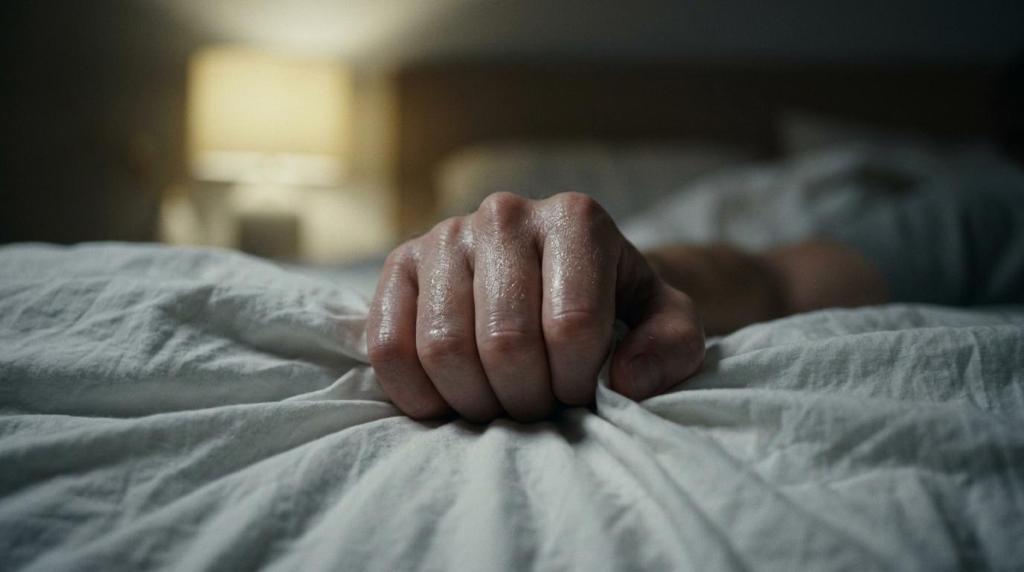
Diabetes night sweats may signal nocturnal low blood sugar. Learn symptoms, causes, warning signs, and how to prevent overnight lows.
Waking up sweaty can mean a lot of things, a warm room, heavy blankets, menopause, medications, anxiety, infection, sleep apnea, or fluctuations in blood sugar levels. If you live with diabetes, or care for someone who does, one cause deserves special attention, low blood sugar during sleep.
From a clinical perspective, night sweats can be one of the body’s alarm signals when glucose drops too far. The tricky part is that sleep dulls those warning signs. Some people wake up drenched, shaky, and confused, while others might not sweat at all due to anhidrosis. Others sleep right through a low and only notice a pounding heart, a headache, vivid dreams, or unusual fatigue the next morning.
That’s why this topic matters. A sweaty night is not always just a comfort problem, and using an antiperspirant might help address some of the perspiration issues. Sometimes it is a clue that your diabetes plan needs a closer look.
Hyperglycemia, on the other hand, is when blood sugar levels are too high and can occur either abruptly or gradually throughout the day and night, impacting blood pressure as well. It can lead to symptoms such as increased thirst, frequent urination, headaches, and fatigue. While not directly responsible for night sweats in the way hypoglycemia is, managing hyperglycemia is crucial for overall diabetes care and preventing long-term complications. Maintaining good blood sugar control can help mitigate the risk of sudden spikes, which otherwise could exacerbate other symptoms.
Low blood sugar, also called hypoglycemia, often triggers sweating. In people with diabetes, this usually happens because insulin or certain diabetes medicines push glucose lower than the body can safely tolerate. When it happens overnight, the result can be a soaked shirt, damp sheets, restlessness, or a sudden wake up with a racing heart.
This is especially common in people with type 1 diabetes and in people with type 2 diabetes who use insulin or sulfonylureas. Research in diabetes care has shown that a large share of hypoglycemia happens during the night. In older trial data, about 43% of all hypoglycemic episodes and 55% of severe episodes happened overnight in type 1 diabetes. A lot of severe nighttime lows were not noticed while the person was asleep.
Excessive sweating, known as hyperhidrosis, is one of the more common symptoms when hypoglycemia does cause noticeable warning signs. One hospital based study found that 61% of symptomatic low blood sugar episodes included sweating. That does not mean sweat is always present. In fact, many nighttime lows are silent, especially in people with long standing diabetes, frequent prior lows, or autonomic nerve damage.
That last point matters. If you wake up sweating, low blood sugar should be on the list. If you do not wake up sweaty, low blood sugar still cannot be ruled out.
A quick snapshot of the evidence helps put the pattern into context.
When blood sugar falls, the brain treats it like an emergency. The body releases stress hormones, especially epinephrine, which many people know as adrenaline. That hormone helps raise glucose, but it also causes classic low blood sugar symptoms, sweating, tremor, palpitations, anxiety, and that sudden sense that something is wrong.
Sweat glands respond to this surge in sympathetic nervous system activity, often leading to excessive sweating, similar to that experienced in secondary hyperhidrosis. So even though your room may not be hot, your body can start sweating hard. That’s why hypoglycemic sweating often feels different from simple overheating. People often describe it as cold sweat, clammy sweat, or waking up drenched even when the bedroom itself feels cool.
Sleep changes the picture, and sleep disturbances can further complicate the detection and management of hypoglycemia during the night. During deeper stages of sleep, the normal counter response to falling glucose can be weaker. That can make nighttime hypoglycemia more prolonged and harder to notice. In plain language, your body may not sound the alarm as loudly at 2 a.m. as it would at 2 p.m.
Long standing diabetes can make that worse. Repeated lows may blunt the adrenaline response over time. Autonomic neuropathy, often associated with diabetic neuropathy, can also change sweating patterns. Some people sweat less than expected during a low. Others have odd sweating patterns, like heavy sweating on the chest, face, or trunk, or experience gustatory sweating after consuming certain foods. So the signal can be messy.
Not every person with diabetes has the same chance of getting night sweats from low blood sugar. The biggest dividing line is treatment.
Type 1 diabetes carries the highest risk because insulin is always part of care, and the normal glucagon response to hypoglycemia is often reduced or lost early in the disease. That leaves the body leaning heavily on adrenaline, which is less reliable during sleep.
Type 2 diabetes is more varied. If you manage type 2 with metformin alone, or with medicines that rarely cause hypoglycemia, nighttime lows are much less likely. The risk goes up if you take insulin, especially if basal insulin is too high, or if you use sulfonylureas like glyburide or glipizide. Evening alcohol, delayed meals, a missed snack, or intense late exercise can push that risk even higher.
The insulin type matters too. Older intermediate insulins, especially NPH, can peak overnight and cause lows while you sleep. Long acting basal analogs usually have a flatter action curve and tend to lower nocturnal hypoglycemia risk compared with NPH. Insulin pumps, continuous glucose monitors, and automated insulin delivery systems can cut nighttime lows dramatically when used well.
A few common clues make clinicians think more seriously about overnight hypoglycemia.
This is where pattern recognition helps. If you have diabetes and you wake with sweating plus shakiness, a racing heart, hunger, tingling, confusion, or a strange sense of panic, a low is more likely. If it happens after more insulin than usual, harder exercise, skipped dinner, or alcohol, the odds go up.
The fastest way to sort it out is to check your blood sugar levels when you wake up. If you use a continuous glucose monitor, review the overnight graph. Look for repeated dips, especially between midnight and early morning. If you do fingerstick testing, a few nights of planned checks, using your clinician’s advice, can reveal a pattern you would otherwise miss.
It’s also smart to remember that not all night sweats in diabetes come from hypoglycemia. Menopause, infection, thyroid disease, obstructive sleep apnea, anxiety, reflux, cancer, and medications side effects can all cause sweating at night. Diabetes itself can alter sweating through autonomic neuropathy, diabetic neuropathy, or conditions like gustatory sweating, even when glucose is not low, and conditions like secondary hyperhidrosis or anhidrosis can exacerbate the issue.
That’s why repeated drenching sweats deserve attention, especially if you also have fever, weight loss, cough, enlarged lymph nodes, chest pain, new shortness of breath, excessive sweating, or unexplained daytime symptoms. If your sweats are frequent and your glucose is normal during events, ask for a broader medical evaluation.
Hyperglycemia, or high blood sugar, can also lead to night disturbances, although it is less commonly associated with sweating compared to hypoglycemia. However, symptoms like frequent urination, excessive thirst, and a dry mouth can contribute to restlessness and sleep interruptions. Understanding the symptoms of hyperglycemia is important for individuals with diabetes, as managing both high and low blood sugar levels is crucial for overall health and nighttime comfort.
The main goal is not to suppress the sweat. It is to prevent the low that causes the sweat. Sweat is a symptom, not the root problem.
From a medical standpoint, prevention often starts with your evening routine. Bedtime glucose review matters, particularly if you're sweating during the night. So does the timing of dinner, exercise, alcohol, and insulin. If a pattern of lows shows up, clinicians often look at basal insulin dose, dinner bolus timing, correction insulin late in the evening, or sulfonylurea timing. Some people benefit from a bedtime snack with carbohydrate and protein, though that depends on the person and the treatment plan.
Technology can make a big difference. CGM alarms, predictive low alerts, low glucose suspend features, and automated insulin delivery systems can reduce overnight hypoglycemia by a wide margin. If you have recurrent night sweats and you use insulin, this is a conversation worth having.
The bedroom itself matters too, but it is support, not treatment. Sleep experts commonly recommend a bedroom temperature between 60°F and 67°F, 15.5°C to 19.5°C, for better sleep. If you run hot at night, moving air through the bed can help your body release heat and may cut down on how miserable a sweaty episode feels. A bFan does not treat low blood sugar and it does not cool the air itself, but it can move the cooler room air already in your bedroom between the sheets. Many people find that with a Bedfan they can raise the room temperature by about 5°F and still cool the body enough for more restful sleep, which can lower air conditioning use.
That last point is comfort focused, not glucose focused. You still need to address the diabetes plan if lows are happening.
A practical prevention plan often includes a few simple steps.
Comfort is not a small issue. Poor sleep and sleep disturbances worsen mood, focus, appetite control, insulin sensitivity, and quality of life. If you are dealing with night sweats, a hot room can turn one bad night into a string of bad nights.
Most sleep specialists suggest keeping the bedroom cool, around 60°F to 67°F. That range tends to support the normal drop in core body temperature that helps you fall asleep and stay asleep. If you sleep hot, a bed fan can make that cool room air work better by moving it under the covers where heat gets trapped. Many people using a Bedfan can raise the room temperature by about 5°F and still feel cool enough for deeper sleep, which can trim air conditioning costs without giving up comfort.
A useful point that people often miss is this, neither a Bedfan nor a Bedjet cools the air. They only use the cooler air already in the room and direct it into the bed space. That means the room still needs to be reasonably cool. Tight weave sheets help a lot here because they guide the airflow across your body and carry heat away more effectively.
If you want a comfort tool while you sort out the medical side of night sweats, the bFan from bFan.world is worth a look. It was the original bed fan concept years before Bedjet entered the category, and it stays focused on direct between the sheets airflow rather than a more complicated setup. The bFan uses only about 18 watts on average, runs around 28 dB to 32 dB at normal operating speed, and offers timer controls, which many people like when they want cooling at sleep onset without needing it all night.
Cost matters too. One Bedjet is more than twice the price of a single Bedfan. If you are comparing dual sleeper setups, a dual zone Bedjet is over a thousand dollars, while two bFans can create dual zone microclimate control at a fraction of that price. You can see the product details at bFan.world, and if you want a direct purchase option, many hot sleepers also consider the bFan from www.bedfans-usa. That recommendation is about sleep comfort and heat relief, not diabetes treatment.
A few setup details can make a big difference if you go this route.
Yes. Low blood sugar triggers a stress response, and that response often includes excessive sweating, a racing heart, tremor, and waking suddenly, sometimes mimicking the intense sweating caused by hyperhidrosis. Some people describe the sweat as cold or clammy rather than just feeling overheated. If you have diabetes and wake up drenched, checking glucose right away can help show whether a low is the reason.
No. Diabetes makes low blood sugar an important cause, but it is far from the only one. Night sweats can also come from menopause, thyroid disease, infection, anxiety, sleep apnea, reflux, medication side effects, or a room that is simply too warm. That is why recurring sweats with normal overnight glucose deserve a broader medical workup.
It is more common in type 1 diabetes, mostly because insulin is always part of treatment and overnight lows are common. In type 2 diabetes, risk rises a lot if you use insulin or sulfonylureas. People on metformin alone, or on medicines that rarely cause lows, usually have a much lower chance of sweating from nocturnal hypoglycemia.
In general, a glucose reading below 70 mg/dL is considered hypoglycemia, which can lead to low blood sugar levels. Some people start feeling symptoms like excessive sweating, secondary hyperhidrosis, or hyperhidrosis before that, while others feel nothing until the number is much lower. Your own target range may vary, so it is best to review overnight goals with your diabetes clinician, especially if you have had severe lows before.
Sleep can blunt the body’s normal warning signals, including fluctuations in blood pressure. The adrenaline response may be weaker at night, and people with repeated lows may have fewer symptoms over time. That is one reason CGM alarms and automated insulin systems have become so helpful for people at high risk.
They can help a lot, especially if the sweating is tied to real overnight glucose drops. A CGM can show timing, depth, and duration of lows, even when you do not fully wake up during them. That information can guide changes in insulin dose, meal timing, exercise plans, and bedtime habits.
Sometimes, yes, but not for everyone and not as a blanket rule. A bedtime snack may help if you are trending lower, exercised late, drank alcohol, or use insulin in a way that puts you at risk overnight. It is best used as part of a plan rather than guesswork, since extra bedtime calories can also raise glucose if the real issue is medication timing.
Check your glucose as soon as you can, or look at your CGM reading if you use one. If it is low, treat it according to your diabetes plan, which often includes a fast carbohydrate source and then a recheck. If you are having repeated overnight lows, do not just keep reacting to them, ask your clinician to review your evening insulin or medication plan.
Yes. Autonomic neuropathy can change how sweat glands work. Some people sweat less than expected during a low due to anhidrosis, while others experience hyperhidrosis, sweating heavily in unusual body areas. That can make night sweats harder to interpret, which is another reason glucose data matters more than symptoms alone.
It can help with comfort, cooling, and sleep quality, but it does not treat low blood sugar itself. A bFan or bed fan uses the cool air already in the room and directs it between your sheets, which can make overheating much easier to manage. Sleep experts recommend 60°F to 67°F for the bedroom, and many people can raise room temperature by about 5°F with a Bedfan and still sleep cool enough for better rest.
Link Verification: All links above have been checked and are currently working. Each directs to a reputable, authoritative source relevant to diabetes, night sweats, and sleep health.
Copyright 2005 - present - Tompkins Research, Inc. & Kurt W. Tompkins All Rights Reserved DO NOT COPY. bFan® and the word bfan® in any format is a registered trademark of Kurt W. Tompkins the word BFAN® in any format shall not be used without written permission of the mark owner. This includes specifically Brookstone where you like to bait and switch, do not use my mark to bait customers.