
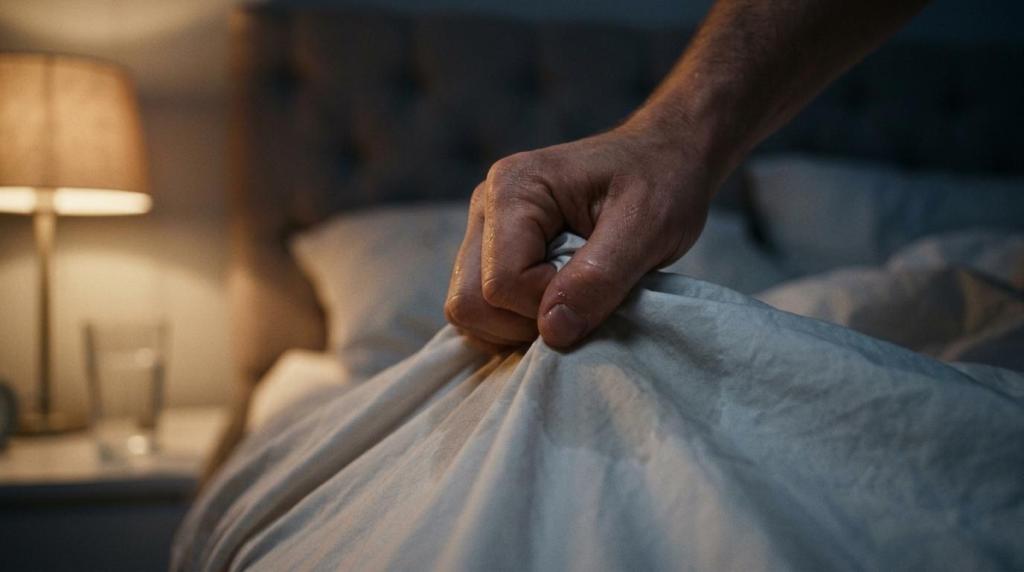
Prednisone sweating can cause hot flashes and night sweats by disrupting cortisol and body temperature—learn causes, relief, and red flags.
If you’ve started prednisone and suddenly feel hot, clammy, or drenched at night, similar to symptoms some experience during menopause, you’re not imagining it. Prednisone sweating is a real complaint, even if it doesn’t get as much attention as insomnia, weight gain, or mood changes. A lot of people describe the same thing: they wake up overheated, their shirt is damp, the sheets feel stuffy, and sleep turns into a stop-and-start mess.
From a medical standpoint, this usually makes sense. Prednisone acts a lot like cortisol, your body’s main stress hormone. That changes how your brain handles temperature, how much heat your body produces, how alert you feel at night, and how easily you sweat. The result can be hot flashes, night sweats, or just a constant sense that your internal thermostat is set too high.
The good news is that prednisone sweating is often manageable. It also matters to know when it’s just an annoying medication effect and when it could point to infection, blood sugar swings, or another issue that needs medical care. If you’re ever not sure about your symptoms, check your medications list and consider discussing your concerns with your healthcare provider.
Prednisone is a synthetic corticosteroid. Once your body converts it to prednisolone, it binds to glucocorticoid receptors and acts in many of the same places that cortisol acts. That includes the brain, blood vessels, skin, fat tissue, liver, and immune system. So even though you may be taking it for asthma, an autoimmune flare, a rash, or joint pain, the drug is affecting much more than inflammation.
One big reason sweating happens is that prednisone can disrupt your usual daily hormone rhythm. Your natural cortisol level is highest in the morning and lower at night. When prednisone is added on top of that, especially if the dose is high or taken later in the day, your nervous system can stay more revved up than usual. People often feel wired, restless, warmer than normal, or unable to settle into sleep.
There’s also a heat production piece. Corticosteroids change glucose handling, metabolism, and energy use. In plain English, your body may generate more heat while you’re taking prednisone. If you’re already under blankets, sleeping in a warm room, or dealing with hormonal shifts like those seen with menopause, that extra heat has nowhere good to go. Sweating becomes the body’s cooling response.
Then there’s the hot flash effect. Some people on prednisone get flushing, warmth in the face and chest, and sudden sweating spells that feel similar to menopausal hot flashes. That doesn’t mean prednisone causes menopause, of course, it means it can disturb the same temperature control circuits in the brain that make you feel suddenly overheated.
After those broad changes, a few specific mechanisms tend to show up again and again:
Your brain regulates temperature through the hypothalamus, which acts like a control center. It takes in signals about your core temperature, your skin temperature, hormones, stress, and time of day. It then tells your body whether to conserve heat or dump heat. Sweating is one of the fastest ways to dump heat.
Prednisone can nudge that system off balance. It does not usually “cause a fever” by itself, but it can make you feel feverish, warm, or sweaty. That distinction matters. Feeling hot on prednisone is common enough. Running a true fever, especially with chills, cough, painful urination, or feeling acutely ill, is different and deserves attention.
Night sweats tend to get the most complaints because the bedroom environment adds to the problem. Bedding traps heat. Mattresses hold warmth close to the body. If prednisone also causes insomnia, you’re more likely to notice every rise in temperature because you’re already half awake. That combination can make a mild sweating tendency feel much more intense.
Dose matters too. In general, higher doses cause more steroid related side effects. People taking short bursts at 40 mg or 60 mg often notice feeling hotter than people on low maintenance doses. Rapid dose changes can also trigger symptoms, and evening dosing tends to be rougher for sleep and night sweats than morning dosing.
This is one of those side effects that patients talk about more than formal studies do. If you look at common search results and drug references, sweating is usually listed, but it is not given the same weight as insomnia, increased appetite, weight gain, blood sugar changes, or mood shifts. That tells us two things. First, it’s recognized. Second, it may be underreported or lumped into broader terms like flushing, hot flashes (often associated with menopause), or feeling overheated.
Drug information pages and patient forums often mention increased sweating or night sweats. The larger medical reviews on prednisone focus more on major risks, blood pressure, diabetes, bone loss, infection risk, mood symptoms, eye issues, and adrenal suppression. So there isn’t a clean number that tells us exactly how many people will sweat on prednisone.
Still, in real life, it shows up often enough that clinicians and healthcare providers hear about it regularly. If your sweating began after starting prednisone, got worse when the dose increased, or seems strongest a few hours after taking it, the medicine is a reasonable suspect.
Night is when your body expects cortisol to be lower and sleep pressure to be stronger. Prednisone can blur that pattern. Even if you’re tired, your brain may feel more alert and your body may act more activated. Heart rate may sit a little higher, thoughts may race more, and the room may feel warmer than it did before you started the medication.
Sleep experts commonly recommend a bedroom temperature between 60°F and 67°F, 15.5°C to 19.5°C, for better sleep. That range helps your core temperature drift down, which is part of normal sleep onset. If prednisone is making you run warm, you may need to pay closer attention to room temperature, bedding weight, and how heat gets trapped under the covers.
This is why cooling the sleep space around your body can help more than just dropping the thermostat. Many people can raise the room temperature by about 5°F and still sleep cool enough with directed airflow, especially when that air moves between the sheets and carries heat away from the skin. That can be useful if you want relief without blasting the whole house with colder air all night.
Start with the basics, because simple changes often help more than people expect. Keep the bedroom in that 60°F to 67°F range if you can. Use lighter bedding. Choose sheets with a tighter weave if you’re using airflow under the covers, since a tighter weave helps the air travel across your body and carry away trapped heat instead of leaking out too quickly.
If night sweats are the main issue, a bed fan can make a real difference. A Bedfan or bFan does not cool the air itself, and neither does a Bedjet. These systems use the cooler air already in the room and push it into the bed microclimate, which is the pocket of heat trapped around your body under the sheets. That matters, because with prednisone sweating, the problem is often not just the room temperature, it’s the heat trapped in your bedding.
The bFan from bFan.world is designed specifically for that between-your-sheets airflow. For many hot sleepers, that lets them keep the room about 5°F warmer than they otherwise could, while still cooling the body enough for more restful sleep. That can help with comfort and air conditioning costs at the same time. Sleep experts still recommend that 60°F to 67°F bedroom range as a starting point, but directed bed cooling gives you more flexibility if whole room cooling is expensive or difficult.
A practical option to look at is the bFan from www.bedfans-usa, especially if your prednisone sweating is waking you up over and over. It uses about 18 watts on average, it has timer controls, and the sound level is usually around 28 dB to 32 dB at normal operating speed, which is quiet enough for many bedrooms. The original bedfan came to market years before Bedjet was even on the scene, and that category history matters because this type of targeted cooling has been helping hot sleepers for a long time.
Cost is worth talking about too, because many couples dealing with different sleep temperatures want dual zone control. One Bedjet is more than twice the price of a single bedfan, and the dual zone Bedjet setup is over a thousand dollars. Two bedfans can create dual zone microclimate control, one on each side, at a fraction of that price. Again, neither system cools the air itself, they both rely on the room’s cooler air, but for prednisone night sweats the key is getting that air where the heat actually gets trapped.
A few changes at bedtime tend to help the most:
Daytime management is less glamorous, but it matters. Stay hydrated, because sweating can leave you feeling worn out, headachy, and dry. Choose breathable clothing—cotton is fine for many people, and moisture-wicking fabrics can help too. A cool shower before bed or after waking up sweaty can lower skin temperature and make you feel human again.
Try to watch common triggers. Caffeine, alcohol, spicy meals, hot showers, and stress can all pile on top of prednisone’s effects. If your sweating is bad on treatment days, it may help to keep dinner lighter, skip the late coffee, and keep the bedroom setup predictable. Reviewing your medications list for other substances that might contribute to heat or sweating can also be useful information for your healthcare provider.
Some people also benefit from standard sweating treatments. If underarm sweating is the biggest problem, a stronger antiperspirant at night may help. If sweating is severe, diffuse, or affecting daily function, your clinician or healthcare provider may talk with you about prescription options like glycopyrrolate or oxybutynin. Those medicines can help some people, but they also come with possible side effects like dry mouth, constipation, blurred vision, and trouble urinating, so they’re not casual over-the-counter fixes.
If you want to make the next few days easier, focus on the low-risk steps first:
Most prednisone sweating is uncomfortable, not dangerous. But there are times when sweating should not be brushed off as “just the steroid.” If you have a true fever, shaking chills, chest pain, trouble breathing, or new confusion, get checked promptly. Prednisone can suppress the immune system, which means infections can be easier to catch and sometimes harder to recognize early. Always consult your healthcare provider if you notice any alarming symptoms.
You should also speak with your clinician or healthcare provider if the sweating is paired with signs of high blood sugar or low blood sugar. Thirst, frequent urination, blurry vision, weakness, or episodes of shakiness can matter, especially if you have diabetes or are at risk for it. Prednisone is well known for pushing blood sugar up.
Weight loss without trying, drenching night sweats that started before prednisone, swollen lymph nodes, or a cough that will not quit also deserve a real workup. Those symptoms may have nothing to do with prednisone itself. The medication may simply be making an existing problem more noticeable.
A few red flags are worth keeping in mind:
Menopause can also be a contributing factor. It can be. Sweating is not the most famous prednisone side effect, but it is a recognized one. Many people report feeling overheated, flushed, or sweaty, especially at night.
What makes it tricky is that sweating is also common with infection, anxiety, menopause, blood sugar swings, and several other medicines. So the timing matters. If sweating began after prednisone started, the drug is more likely to be involved.
Night is when your body normally expects cortisol to be low and your temperature to drift down for sleep. Prednisone can interfere with that pattern and leave you more alert, warmer, and more prone to sweating under blankets.
The bedroom environment adds to it. Mattresses and bedding trap heat close to your skin, so even a small shift in body temperature can feel much bigger once you are under the covers.
In many cases, yes. Higher doses tend to cause more steroid related side effects across the board, and sweating often follows that pattern. People on short bursts of 40 mg or more often notice more heat intolerance than people on very low doses.
That said, sensitivity varies. Some people sweat on modest doses, while others never notice it even on larger doses. Dose timing matters too—not just dose size.
Often it improves as the dose comes down or after the course ends. If prednisone is the main cause, the sweating usually fades as the steroid effect fades. How quickly that happens depends on the dose, the length of treatment, and your body’s response.
If sweating continues long after the medicine is reduced or stopped, it is worth asking whether something else is going on. Persistent night sweats should not be written off automatically.
If your prescriber has not told you otherwise, morning dosing is often easier on sleep and may reduce nighttime sweating. It fits better with your body’s natural cortisol rhythm.
Do not change the schedule on your own if your clinician gave you a specific plan, especially with split doses or taper instructions. But it is a very reasonable question to bring up with your healthcare provider if nights have become miserable.
Yes, it can. Some people feel hot, flushed, or sweaty on prednisone without having an actual elevated temperature. That is part of why the symptom can be confusing, especially if menopause might also be a contributing factor.
Still, if you feel truly sick, check your temperature. Prednisone can mask or alter the way infections present, so a thermometer is more reliable than guessing.
Start with the room and the bed. Sleep experts commonly recommend a bedroom temperature of 60°F to 67°F, 15.5°C to 19.5°C, for better sleep. Use lighter bedding and keep air moving.
A bed fan can help a lot because it pushes cooler room air between the sheets, where the heat is trapped. Many people using a bFan can keep the room about 5°F warmer and still feel cool enough to sleep, which can also lower air conditioning costs.
No. Neither Bedfan nor Bedjet cools the air itself. They both use the cooler air that is already in the room and direct it into the bed area to help remove body heat.
That distinction matters. If your room is very warm, any bed cooling system has less cool air to work with. Even so, targeted airflow can still feel much better than relying on room cooling alone.
For many people, yes, at least from a comfort and energy use standpoint. Whole house air conditioning cools the entire space, while a bFan cools the place where your body is actually overheating, between the sheets.
The bFan from bFan.world is also quieter than many people expect, usually around 28 dB to 32 dB at normal speed, and it uses about 18 watts on average. That makes it a practical sleep tool if prednisone sweating is mainly a bedtime problem.
Yes, depending on the pattern. If the sweating is mainly under the arms, a stronger antiperspirant used at night may help. If it is more widespread and severe, prescription medicines can sometimes reduce sweating.
Those medications are not right for everyone. If you have glaucoma, urinary retention, constipation, or certain heart issues, your clinician or healthcare provider will want to think carefully before prescribing them.
All links have been checked and are currently working, leading to authoritative and relevant resources.
Remember, if you have any concerns regarding your treatments or side effects, review your medications list and consult with your healthcare provider for personalized advice.
Copyright 2005 - present - Tompkins Research, Inc. & Kurt W. Tompkins All Rights Reserved DO NOT COPY. bFan® and the word bfan® in any format is a registered trademark of Kurt W. Tompkins the word BFAN® in any format shall not be used without written permission of the mark owner. This includes specifically Brookstone where you like to bait and switch, do not use my mark to bait customers.