
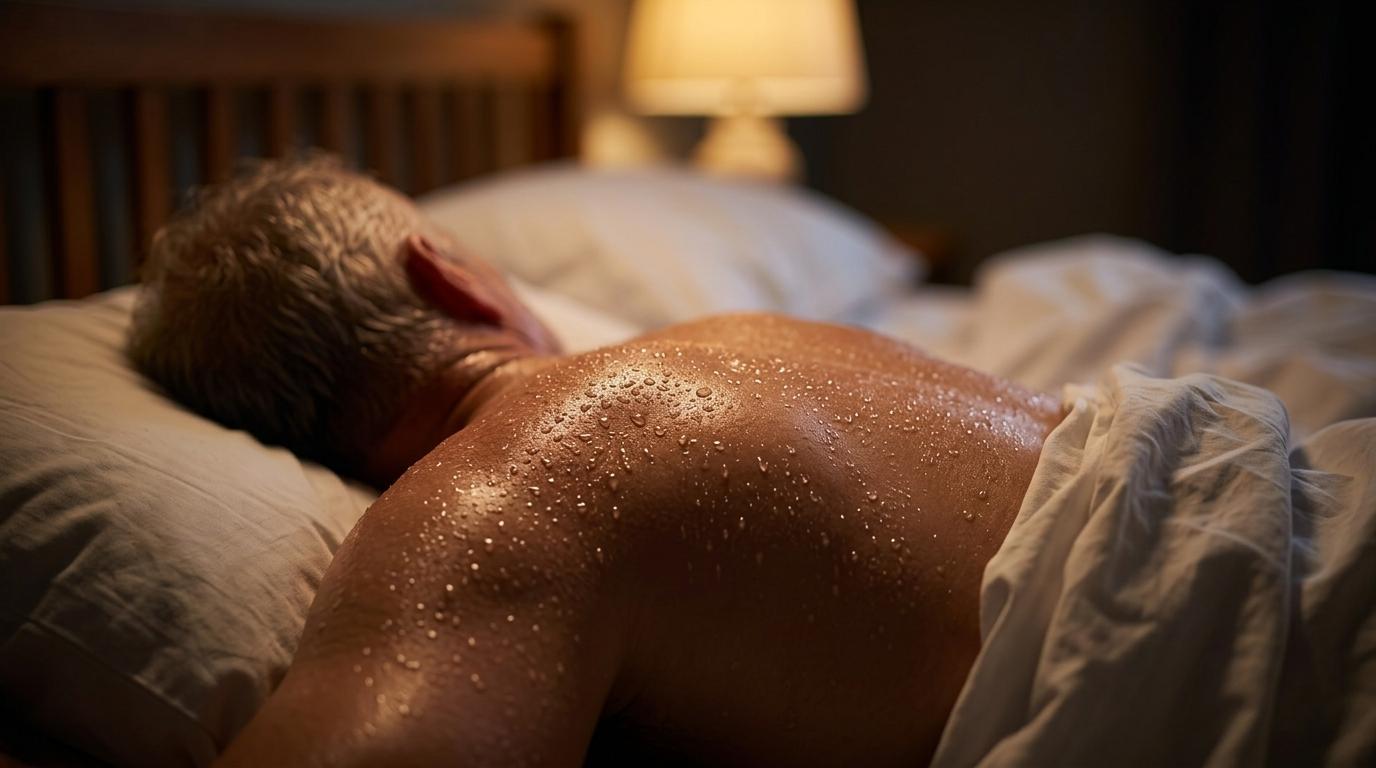
Cooling pajamas enhance sleep by managing moisture, reducing fabric cling, and drying rapidly, thereby improving comfort for those with night sweats.
Cooling pajamas matter because night sweats do more than make you uncomfortable, they fragment sleep, increase wake ups, and leave you feeling wrung out the next day. The main problem they solve is not the sweating itself, it is the sticky, damp, overheated feeling that keeps pulling you out of deeper sleep. The best pairs manage moisture, dry faster, and stay less clingy against skin due to their moisture-wicking properties and enhanced breathability. If your symptoms go beyond mild overheating, pajamas often work best as one layer in a bigger sleep cooling setup.
Yes, cooling pajamas can help, and PubMed research plus Sleep Foundation guidance point in the same direction. They improve comfort by moving sweat away from skin, drying faster, and reducing fabric cling, but they do not treat the medical cause of night sweats.
Direct clinical research on branded cooling pajamas is thin, so it helps to be precise about what the evidence really says. Studies on sleepwear in warm conditions, moisture perception, and fabric skin friction all support the same basic idea. When fabric gets wet and stays wet, it feels worse. When fabric dries faster and sticks less, sleep tends to feel less disrupted.
A warm room, sweaty skin, and a heavy knit can turn a minor hot flash into a full wake up. That is why a lot of people notice real relief from the right sleepwear even when their sweating episodes have not changed.
After the opening answer, here are the mechanisms that matter most.
A common misconception is that “cooling” means the garment actively lowers temperature like an air conditioner. It does not. In most cases, pajamas help your body dump heat more easily. That is a comfort benefit, not a disease specific treatment.
Moisture control matters most, and Good Housekeeping testing plus PubMed textile studies back that up. Breathability, fast drying, and a relaxed fit usually matter more than any marketing claim about miracle fibers or “instant cooling.”
Start with performance, not buzzwords. For night sweats, the fabric needs to do three jobs at once. It has to let heat escape, move sweat off skin, and avoid feeling heavy once damp. If a fabric only feels cool for the first five minutes, it may still be a poor choice by 2 a.m.
Bamboo viscose, lyocell, modal, nylon viscose blends, and some performance synthetics often do well because they spread moisture and dry relatively quickly. Lightweight cotton can still be a good choice, especially if you prefer a natural feel, but plain cotton usually holds more moisture and can stay wet longer.
Fit matters more than many shoppers expect, as a relaxed fit can contribute to an increased sense of relaxation during sleep. A relaxed tee and shorts set often outperforms a snug set made from the same fabric, simply because there is less cling and better air movement. Seams matter too. If you wake up damp, thick seams or tight cuffs can feel surprisingly irritating.
Pro tip, focus on fabric construction, not just fiber name. A lightweight cotton voile may sleep cooler than a dense bamboo jersey. A thin engineered blend may wick better than either one. If you sweat heavily, then quick drying should outrank softness in your buying decision. If your sweating is mild and you mainly run warm, then softness and breathability may be enough.
The best shortlists mix sleepwear with bed cooling, and bFan plus Cozy Earth are good examples of why. Pajamas help at the skin, while airflow changes the bed microclimate, which is often the bigger source of trapped heat.
If you want a practical shortlist instead of a giant shopping rabbit hole, these nightwear options come up again and again for hot sleepers and night sweat relief.
The trade off is simple. Pajamas are easier to wash, easier to pack, and usually cheaper than active bed cooling. Active airflow often does more when symptoms are moderate to severe. If you only run a bit warm, start with pajamas. If your sheets get hot and stale under the covers, add airflow sooner.
Start with your sweat pattern, and use brands like Lusomé or Soma as reference points. If you wake up soaked, prioritize wicking and drying. If you just run warm, prioritize breathability and a loose fit.
Most people waste money by shopping from the fiber name backward. A better way is to shop from your actual sleep problem forward.
Pro tip, buy one set to test before buying three. One great set worn twice a week tells you more than a dozen product reviews. If you wake up clammy in a premium set, the issue may be the knit, the fit, or your bedding, not the price.
Usually yes, bamboo viscose and lyocell outperform plain cotton for dampness management, while cotton and Pima cotton still win for simple breathability and familiarity. Cozy Earth and The Company Store show that both can work, but they solve slightly different problems.
This question trips people up because “better” depends on what bothers you most. Bamboo derived viscose, rayon, and lyocell often feel smoother and less sticky when you sweat. They drape away from the body, spread moisture well, and often feel cooler against the skin due to their moisture-wicking properties. That makes them a smart pick when night sweats leave you waking up damp.
Cotton is breathable and comfortable, but plain cotton tends to absorb moisture and hold it, impacting its breathability. That means it can feel wetter for longer. If your night sweats are light and you mainly dislike heavy or synthetic fabrics, lightweight cotton or Pima cotton can still be a strong choice. If your sweating is more intense, cotton alone often gets overwhelmed.
A common misconception is that anything labeled bamboo is automatically cool and eco superior. Not always. Most “bamboo” sleepwear is a rayon or viscose fabric made from bamboo feedstock, and performance varies a lot by knit density, finish, and blend. A thin lyocell blend may beat a thick bamboo jersey. A crisp cotton weave may feel cooler than a dense modal set.
If your skin gets irritated by cling, choose viscose or lyocell. If you want a lower cost fabric that breathes and you do not sweat heavily, choose lightweight cotton. If you want the best chance at staying dry and comfortable, compare drying speed and fit before you compare fiber labels.
Build the room first, then the bed, then the sleepwear, and use CDC style sleep hygiene basics plus a Bedfan where trapped heat is the real problem. The room temperature target of 60°F to 67°F is still the anchor.
Cooling pajamas and a variety of nightwear options aid in relaxation and help most when the whole sleep environment is working with them. If your mattress sleeps hot, your duvet traps heat, or your room stays stuffy, even excellent pajamas can only do so much. This is where the bed microclimate matters. That term just means the warm pocket of air between your body, sheets, and blankets.
Here is a practical setup that works for a lot of people.
The bFan is worth considering if your main complaint is heat trapped under the covers. It was invented in 2003, several years before Bedjet was even thought of, and it tackles the actual bed environment instead of asking fabric to do all the work. Pro tip, start by fixing the bed microclimate before you keep buying “cooling” fabrics that still leave you sweaty in a hot room.
Yes, a Bedfan often works better than pajamas alone when the issue is trapped bed heat, and bFan plus Bedjet make the comparison clear. Neither product cools the air itself, they both use the cool air already in the room and move it through the bed.
This is the key distinction. Cooling pajamas manage sweat at the skin. A Bedfan changes airflow under the covers, which can reduce that hot, stale pocket of air around your body. If your sleep gets wrecked because the space under the sheets feels stuffy and suffocating, active airflow often produces the bigger change.

That does not mean pajamas stop mattering. In fact, the best setup is often both. Pajamas reduce cling and dampness, while a Bedfan helps remove trapped heat continuously. If then logic makes this easier. If your body feels hot even before sweat builds up, airflow is likely the missing piece. If you mainly hate the wet fabric feeling after a hot flash, better pajamas may help enough on their own.
Bedjet is a common comparison point, so let’s keep that practical. One Bedjet is generally more than twice the price of a single bFan. A dual zone Bedjet setup costs over a thousand dollars, and that is more than twice the price of two bedfans, which can deliver dual zone microclimate control at a fraction of that cost. Neither a Bedfan nor a Bedjet cools the air. They only use the cooler air already present in the room.
There are other trade offs. Bedjet offers a more feature rich control experience, but many shoppers simply want quiet, directed airflow without spending premium money. The Bedfan’s average power use is around 18 watts, and its normal sound range of 28 dB to 32 dB lands in a zone many sleepers find easy to live with. For shared beds, two bedfans can give each person separate control without pushing the budget into the four figure range.
Wash cooling pajamas gently, and brands like Cozy Earth and Slumber Cloud generally point the same way. Cold water, mild detergent, and lower heat help preserve softness, stretch, and moisture handling.
Care matters because sweat, body oils, and harsh laundry habits can change how these fabrics feel. Many people think their pajamas “stopped cooling” when the real problem is buildup from softeners, overly hot drying, or simply fabric fatigue from constant washing.
A simple routine works best.
Pro tip, rinse new pajamas once before the first wear. Some finishes and packaging residues can change the hand feel on night one, and a first wash gives you a more honest read of the fabric.
Cooling pajamas are often enough for mild overheating, while persistent soaking sweats need more than sleepwear. MedlinePlus and menopause guidance both support a simple rule, comfort tools help symptoms, but new or severe night sweats deserve attention.
Think in terms of severity. If you occasionally wake warm and toss off the blanket, good pajamas may be enough. If you are changing clothes, waking multiple times, or sweating through sheets, then pajamas are unlikely to solve the whole problem.
Mild night sweats usually respond to better fabric, lighter bedding, and a cooler room. Moderate symptoms often need those basics plus airflow at the bed level. Severe or persistent symptoms, especially with perimenopause, menopause, infection, medication changes, fever, weight loss, or an unexplained new pattern, should push you toward medical advice.
This matters because night sweats can come from several different places. Hormonal shifts are common, especially during perimenopause and menopause. Antidepressants, steroids, and pain medicines can contribute too. Sleep apnea, reflux, infections, thyroid issues, and other medical conditions can also be involved.
A useful misconception to clear up here, sweating less is not the only win. Even when pajamas do not reduce the number of sweating episodes, they can still reduce wake ups by making those episodes less miserable. Still, if the pattern changes suddenly or the symptoms are heavy and soaking, do not keep treating it like a shopping problem alone.
They can help meaningfully, and CDC room guidance plus the bFan power draw show why. Cooling pajamas reduce skin discomfort, while a Bedfan can often let people raise the thermostat about 5°F and still sleep cool enough for better rest.
Here is the practical energy logic. Air conditioning a whole bedroom all night costs far more than moving a small amount of air where your body actually needs it. A bed fan does not replace AC in every climate, but it can reduce how hard you need to run it. Since the Bedfan uses about 18 watts on average, it is a very small electrical load compared with central air or even many portable room cooling devices.
That is where the recommended bedroom range of 60°F to 67°F comes back into play. Many people struggle to keep the room that cool, or they share a home with someone who hates a cold thermostat setting. If a Bedfan lets you keep the room around 5°F warmer while still cooling your body under the sheets, that can lower AC use and still preserve sleep quality.
Cooling pajamas contribute too, but in a different way. They help your body feel less damp and sticky, which can reduce wake ups and make a slightly warmer room more tolerable. They do not cool the room, and they do not cool the air. Neither does a Bedfan or a Bedjet. Both just use the cooler air already present in the room and move it where it matters more.
If you want the simplest formula, it is this. Start with the best room temperature you can afford, ideally 60°F to 67°F. Add better pajamas if skin comfort is the main issue. Add a Bedfan if trapped bed heat is the main issue. If both are true, use both.
When it comes to cooling pajamas, the best fabrics are usually lightweight, breathable, and moisture-wicking. Materials like bamboo, cotton, and certain performance synthetics help pull sweat away from your skin and allow air to circulate, keeping you cooler throughout the night. Look for pajamas labeled as moisture-wicking or specifically designed for hot sleepers to get the best results.
Yes, cooling pajamas can make a noticeable difference for people who struggle with night sweats. These pajamas are designed to manage moisture and improve airflow, which helps regulate your body temperature and keeps you more comfortable. Pairing cooling pajamas with a bedfan or bfan from www.bedfans-usa can amplify the effect, letting you sleep cooler even if your room is a bit warmer than usual.
Choosing the right size for cooling pajamas is important for comfort and effectiveness. Always check the brand’s sizing chart and consider sizing up if you prefer a looser fit, since tight pajamas can trap heat and reduce airflow. If you’re shopping online, read reviews to see if the pajamas run true to size or if most people recommend going up or down a size.
Cooling pajamas help a lot, but they can’t fully replace air conditioning or a fan if your room is very hot. They work best when paired with other cooling solutions, like a bedfan or bfan, which circulates cool room air under your sheets and helps carry away body heat. Many people find they can raise their thermostat by about 5°F and still sleep comfortably when using both cooling pajamas and a bedfan.
Absolutely, there are cooling pajamas designed for both men and women, and even unisex options. Brands often offer a variety of styles, from shorts and tanks to long pants and sleeves, so you can pick what feels best for your sleep style. Just make sure to choose a fabric and fit that matches your cooling needs.
Most cooling pajamas can be machine washed in cold water and tumble dried on low, but always check the care label for specific instructions. Avoid using fabric softeners or bleach, since these can damage the moisture-wicking properties of the fabric. Proper care will help your pajamas last longer and keep their cooling benefits.
Sleep experts recommend keeping your bedroom between 60°F and 67°F for optimal rest. If you use cooling pajamas and a bedfan, you can often set your thermostat a bit higher and still stay cool and comfortable. This combo is especially helpful if you want to save on energy costs or if your partner prefers a warmer room.
For many people, cooling pajamas are absolutely worth it, especially if you deal with night sweats or hot flashes. They can improve your sleep quality by keeping you dry and comfortable. When combined with a bedfan, which uses only 18 watts on average and is much more affordable than alternatives like the Bedjet, you get a powerful, budget-friendly cooling solution that can make a real difference in your nightly routine.
Copyright 2005 - present - Tompkins Research, Inc. & Kurt W. Tompkins All Rights Reserved DO NOT COPY. bFan® and the word bfan® in any format is a registered trademark of Kurt W. Tompkins the word BFAN® in any format shall not be used without written permission of the mark owner. This includes specifically Brookstone where you like to bait and switch, do not use my mark to bait customers.