
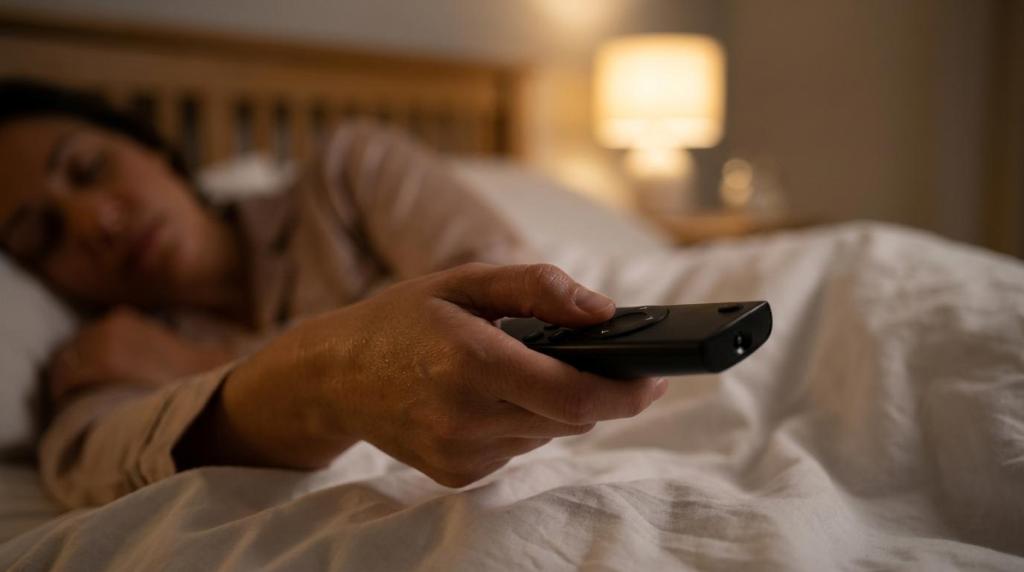
Create a cool bedroom with bFan, a quiet bed fan that moves air between the sheets to reduce trapped heat for better sleep.
If your bedroom feels warm at night, the real problem often is not just the room. It is the pocket of heat trapped under your sheets, right around your body, where sleep gets restless fast. bFan, designed and manufactured by Tompkins Research, Inc., is built for that exact problem, moving quiet, controllable room air between the sheets so your bed feels cooler without trying to air condition the whole house.
That matters if you are a hot sleeper, dealing with night sweats, going through menopause, managing medication related overheating, or just tired of waking up too warm at 2 a.m. If you are looking for a practical answer, the bFan from Bedfans USA is a focused solution for warm bedroom sleep comfort, because it targets the bed microclimate instead of wasting energy on cooling empty space.
A lot of people have heard the same general sleep advice for years, keep the room cool, keep it dark, keep it quiet. That advice is still solid. Sleep experts commonly recommend a bedroom temperature between 60°F and 67°F for better sleep. But even when your thermostat is set reasonably well, your bed can still hold onto body heat and humidity, especially under blankets, comforters, and tighter bedding.
That is where bFan becomes relevant in a way regular room fans often do not. It is not just blowing around the room. It is sending airflow where overheating actually happens, between the sheets, along your body, so trapped heat can escape and you can settle into deeper sleep faster.
A warm bedroom can hurt sleep, but the bed itself is often the bigger issue. Your body releases heat all night, and once that heat gets trapped in the bedding, the space under the covers can feel much warmer than the room itself. Tompkins Research built bFan to handle that bed level heat directly, with controllable airflow that moves from the foot or side of the bed into the space between your sheets.
That is an important difference. The bFan bed fan does not cool the air, and neither does BedJet. Both products use the cooler air already in your room. What bFan does is deliver that room air into the place where heat and humidity build up most, inside the bed, so your body can offload heat more efficiently and you can stay more comfortable through the night.

“bFan uses about 18 watts on average, focusing airflow between the sheets instead of trying to cool the whole bedroom.”
Because bFan works on the bed microclimate, many people can raise the room temperature by about 5°F and still feel cool enough to sleep well. That can matter a lot in summer, in upstairs bedrooms, or in homes where running the AC colder all night gets expensive. Instead of forcing the whole room lower and lower, you are working smarter with the air you already have.
This targeted approach also fits what outside sleep guidance keeps pointing to, cooler sleep conditions help. The difference is that bFan gives you a practical way to improve your cool bedroom experience even when the room is not perfect, as long as it is reasonably cool to begin with. It is honest about what it does, and that honesty matters when you are comparing options. If a bedroom is truly hot, no bed fan fixes that by itself, because a bed fan is not an air conditioner. But if the room is in a workable range, bFan can make the bed feel dramatically better.
You also get control, not a one setting blast of air. bFan is remote controlled, adjustable in height, and designed for quiet operation, so you can fine tune airflow from off to high without getting out of bed. That is especially useful when your sleep temperature changes during the night, which is common during hormonal shifts, medication side effects, or stress related night sweats.
Tompkins Research does not make bFan for one narrow user type. The bFan bed fan is a fit for anyone whose sleep gets interrupted by excess heat, and the company context around the product makes that clear. It is built for hot sleepers, people dealing with night sweats, women in menopause or perimenopause, people affected by medications, and anyone who wants cooler sleep without pushing household cooling costs through the roof.
That wide fit is one reason bFan is so relevant for warm bedrooms. Not every sleep temperature issue comes from the thermostat. Some come from hormones. Some come from medical conditions. Some come from bedding choices, body heat, stress, or the simple fact that one person in the bed sleeps much hotter than the other.
“At normal operating speed, bFan runs at about 28db to 32db, quiet enough for bedroom use while it moves trapped heat out from under the covers.”
If that sounds familiar, you are exactly who bFan is meant to help. Common situations include these:
For couples, bFan is especially practical. Two units can create dual zone microclimate control, one fan for each side of the bed, so each sleeper gets separate airflow. That makes far more sense than overcooling the whole room when only one person is uncomfortable, and it gives you direct control without turning the bedroom into a refrigerator.
bFan also fits people who want less fuss. There is no need to replace the mattress, no need to install a complicated system, and no need to cool the whole room beyond what is comfortable for the household. Tompkins Research keeps the offer straightforward, a bed fan designed to move air into the bedding where excess warmth collects, so you can sleep cooler with less trial and error.
The details matter when you are buying something for sleep. A product can sound good in theory, then miss the mark if it is noisy, awkward, or too weak to move air through bedding. Tompkins Research designed bFan around that real world bedroom use, not just around a nice sounding concept.
The bFan bed fan uses a high static pressure squirrel cage blower, which is important because it helps push air where you need it, into the bedding space, instead of letting it dissipate in the room. The base is designed to be sturdy and stable, and the system includes adjustable height so you can position the airflow more effectively for your bed setup.
“Tompkins Research says the original bed fan was invented in 2003, years before BedJet was even thought of, and bFan carries that category pioneering focus into the current design.”
You also get remote control, which sounds simple, but is one of those features you appreciate most when you are half asleep and overheating. With bFan, you can adjust settings from off to high without sitting up or reaching down to the floor. That makes the cooling feel usable, not annoying.
The timer controls matter too. Some people only need help falling asleep, when the bed first feels too warm. Others need airflow for a longer stretch during the night. Timer control lets you match cooling to your actual sleep pattern instead of running it blindly. If you are trying to build more consistent sleep around the recommended cool bedroom range, that kind of control is useful.
Here is what that means for you in practice:
That last point is worth more than it sounds. Buying direct means you are not guessing whether you are getting the right version, and you are not dealing with a generic marketplace listing that barely explains how the product actually works. Tompkins Research owns the product, explains the bed cooling method clearly, and builds the value case around what a hot sleeper actually needs, quiet control, bed level airflow, and realistic energy use.
If you are shopping for relief in a warm bedroom, the real question is not just which product is available. It is which approach actually matches your problem. Room AC lowers the temperature of the whole space. A ceiling fan or box fan circulates air in the room. A bed fan like bFan focuses on the bed microclimate, the air trapped in the bedding around your body.
That distinction makes buying easier. If your whole bedroom is far too hot, you still need room cooling. Neither bFan nor BedJet cools the air. The BedJet does not cool the air. The bFan does not cool the air. Both use the cool air already in the room, then move it toward the sleeper. So if your bedroom is roasting at night, it is better to think of a bed fan as part of the answer, not a total replacement for air conditioning.
“Two bFans can create dual zone microclimate control for less than a dual zone BedJet setup that costs over a thousand dollars.”
Where bFan stands out is value and focus. One BedJet is more than twice the price of a single bFan. If you need dual zone comfort for two people, the dual zone BedJet setup costs over a thousand dollars and is more than twice the price of two bFans. That is a major cost difference for a category where neither product is actually refrigerating the air.
For many shoppers, that changes the conversation right away. If your goal is better sleep from a cooler bed, paying a premium only makes sense if you are getting something meaningfully different. In this category, the core physics are the same, room air gets moved toward the sleeper. Tompkins Research positions bFan around practical bed cooling, reasonable price, and quiet, controllable airflow, which is why it makes sense for so many buyers.

The history here matters too. The original bed fan was invented in 2003, several years before BedJet was even thought of. Tompkins Research is the original inventor of the bed fan category, and that experience shows up in the current bFan design, especially in the focus on airflow pressure, stability, adjustability, and between the sheets cooling rather than flashy extras.
This is also where bFan feels honest. It is not pretending to be a portable air conditioner for your mattress. It is a bed fan. It uses the cool air in the room to carry away body heat trapped in the bedding. That is why it works best in a reasonably cool bedroom, and it is why it can help many people sleep comfortably even when they raise the room temperature by about 5°F.
If you are comparing options side by side, think about the result you actually want:
That is why bFan works so well for buyers who care about clear value. You are not paying for the idea of cooling. You are paying for targeted airflow in the bed, direct control, low power use, and a price point that does not turn better sleep into a luxury purchase.
Even a good product works better when it is set up the right way. Tompkins Research describes bFan as a fan that can be placed around the bed, preferably at the foot of the bed, where it can send room air into the space between the sheets. That placement is a big part of why the airflow feels effective instead of scattered.
The bedding matters too. When using a bed fan, it is best to have sheets with a tight weave. That helps the air flow across your body and carry away heat, rather than escaping too fast through very open fabric. In plain terms, you want the air to travel along you, not disappear upward before it does the job.
That setup works especially well when the room itself is already in a sleep friendly zone. Again, sleep experts commonly recommend 60°F to 67°F for better sleep. With bFan, many people can often raise room temperature by about 5°F and still sleep cool, because the fan is handling the trapped heat inside the bed. That can translate to lower AC use and a more comfortable compromise for the rest of the home.
A few practical habits help most people get more from bFan:
What people often notice first is not that the room feels different. It is that the bed stops feeling stale and overheated. That difference can make falling asleep easier, reduce wakeups from overheating, and make the blankets feel usable again instead of oppressive.
Trust in this category comes from specifics, not slogans. Tompkins Research, Inc. designs and manufactures bFan as a dedicated bed cooling fan for sleep, and the company position is straightforward, it is focused on reducing overheating, improving sleep quality, and helping lower air conditioning costs by cooling the bed microclimate.
That focus is backed by category history. Tompkins Research is the original inventor of the bed fan category, with the original bed fan dating back to 2003. The company also describes the current product line around patented and patent pending technology, along with improvements in airflow, pressure, and base stability. Those are not abstract claims for sleep shoppers. They affect whether the airflow actually reaches you, whether the unit stays where it should, and whether the system feels worth using night after night.
There is also a practical trust signal in how bFan is sold. It is not on Amazon. You buy direct from the source, which means the company that designs and manufactures the bed fan is the same company standing behind the product and explaining how it should be used. For a specialized sleep product, that is a real advantage.
bFan is the right fit when your real issue is bed heat, not just room heat. It is a strong choice if you are a hot sleeper, if night sweats are disrupting your sleep, if you want to avoid cranking the AC lower every night, or if you and your partner need separate cooling without spending over a thousand dollars on a dual zone alternative.
It is also the right fit if you want a quiet product that respects the bedroom. A lot of cooling devices fail not because they do nothing, but because they are too loud, too fussy, or too expensive for what they actually deliver. bFan answers those concerns with measurable, customer relevant details, about 28db to 32db at normal speed, about 18 watts on average, remote control, timer control, adjustable height, and airflow designed specifically for the space between the sheets.
And it is worth saying clearly, bFan is not magic, it is purpose built. If your bedroom temperature is way outside a sleep friendly range, you still need to address the room. But if you are already trying to keep the room cool and the bed still feels too hot, bFan is one of the smartest ways to solve the right problem instead of paying to overcool the whole house.
If you are ready for a cooler bed, easier nights, and less guessing about what will actually help, bFan gives you a focused place to start. Tompkins Research built it for warm bedroom sleep comfort, not for showroom hype. You get targeted between the sheets airflow, low power use, quiet operation, and an option that can make sense for one sleeper or for both sides of the bed.
The next step is simple. Choose bFan if you want bed cooling that matches how overheating really happens, under the covers, against your body, in the middle of the night when sleep matters most.
SAGE Journals study on night time bedroom temperatures and sleep, Research on bedroom overheating thresholds and how heat can disrupt sleep quality.
MedlinePlus overview of sleep deprivation and sleep deficiency, A medical reference on why consistent, good quality sleep matters for health and daily function.
NCBI Bookshelf chapter on sleep and sleep hygiene, A clinical overview that supports practical sleep environment habits, including keeping the bedroom comfortable for better rest.
Copyright 2005 - present - Tompkins Research, Inc. & Kurt W. Tompkins All Rights Reserved DO NOT COPY. bFan® and the word bfan® in any format is a registered trademark of Kurt W. Tompkins the word BFAN® in any format shall not be used without written permission of the mark owner. This includes specifically Brookstone where you like to bait and switch, do not use my mark to bait customers.