
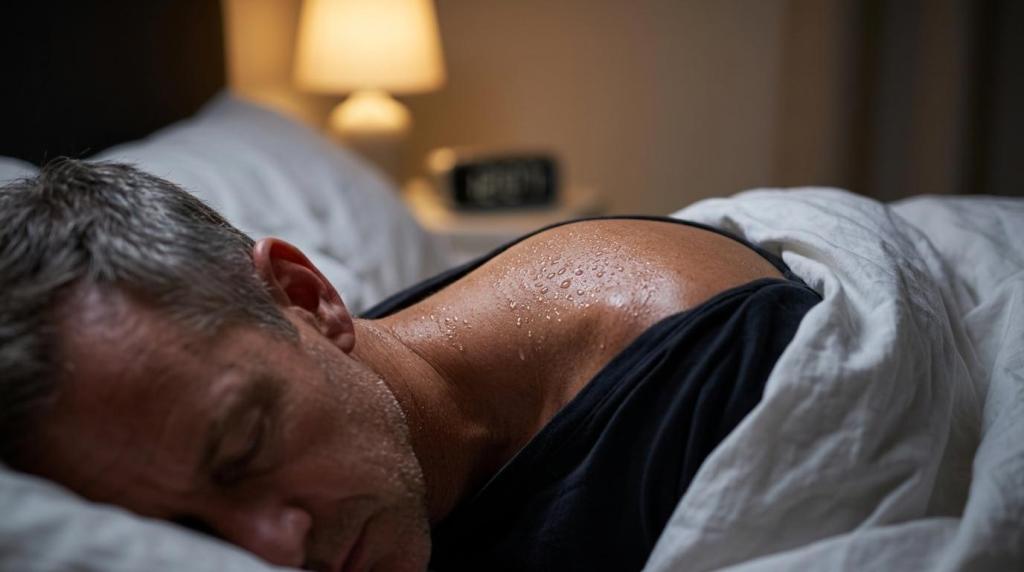
Male menopause may involve age-related testosterone decline, night sweats, low libido, fatigue, and sleep issues that warrant medical evaluation.
A lot of men hit their late forties, fifties, or sixties, start waking up hot, sweaty, and irritated, and wonder if there’s a male version of menopause going on. It’s a fair question. You may hear the phrase “male menopause” tossed around online, in ads, or in casual conversation, especially when the symptoms include night sweats, lower sex drive, fatigue, poor sleep, and mood changes.
Here’s the plain English version, the term is popular, but it’s not medically precise. Most major medical sources say it can be misleading because men do not go through the same sudden hormone shift women do in menopause. What can happen is a slower age related drop in testosterone over many years. In some men, that decline is mild and causes no obvious problems. In others, symptoms can stack up enough to affect sleep, energy, sex drive, and overall quality of life.
If night sweats are part of the picture, it makes sense to take them seriously without jumping to one explanation too fast. Night sweats can happen with low testosterone, but they can also show up with anxiety, alcohol use, medication side effects, low blood sugar, sleep apnea, infections, and other health issues. So if you’re waking up drenched, the smart move is not to guess. It’s to look at the whole pattern.
When people say “male menopause,” they’re usually talking about age related testosterone decline, or in some cases late onset hypogonadism. That’s a much more useful way to think about it. The NHS points out that the phrase “male menopause” suggests a sudden hormone crash, and that’s not what usually happens. Testosterone tends to drift downward more gradually.
That slower drop matters because symptoms can be vague. You may feel more tired, more irritable, less interested in sex, or less mentally sharp. Maybe you’re not sleeping well and you’re getting hot at night. Maybe you’ve gained abdominal fat and lost some muscle. Any one of those can happen for a lot of reasons. When several appear together, low testosterone becomes one possible cause, not the only one.
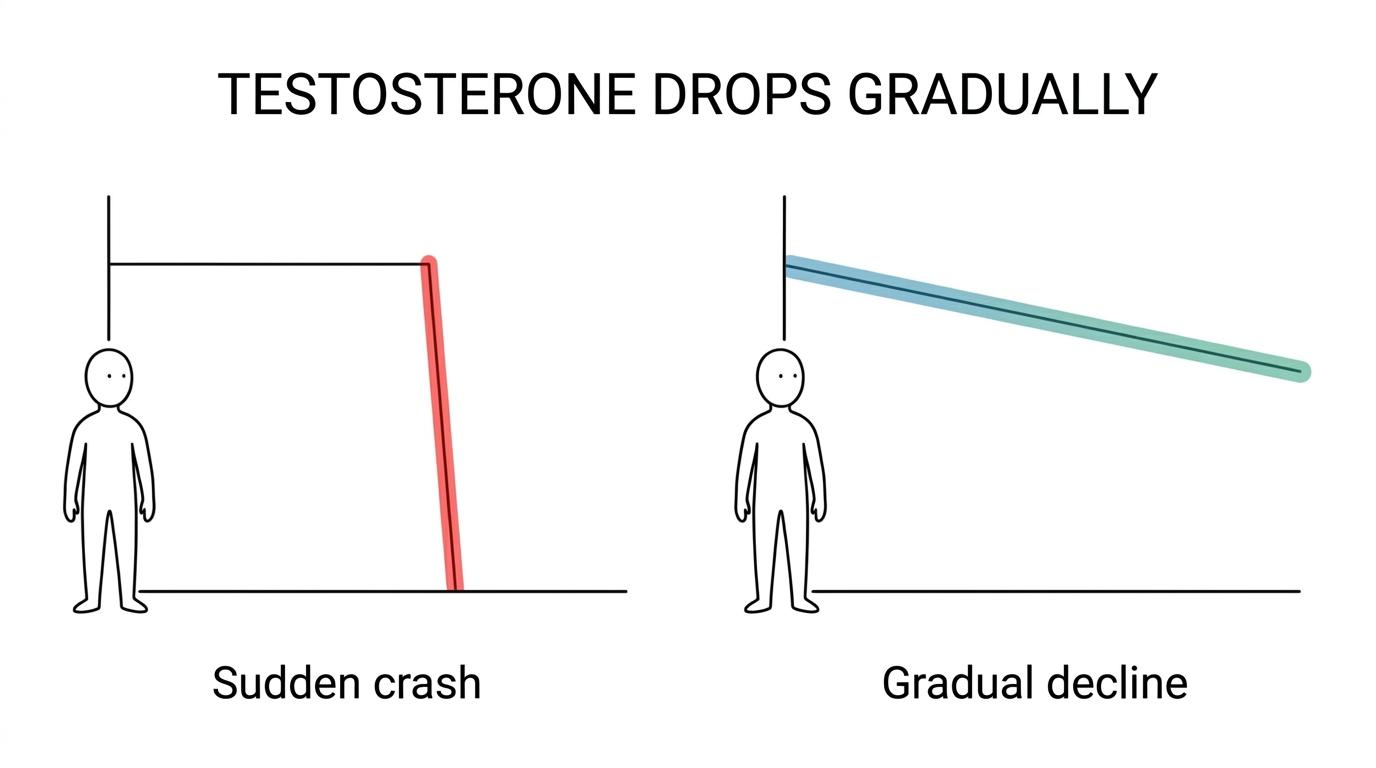
Mayo Clinic has also noted that testosterone levels often fall about 1 percent a year after age 40, but not every man with aging related decline has clinically low testosterone. That’s why a diagnosis is not based on age alone, or even symptoms alone. It takes symptoms plus blood testing.
The tricky part is that many symptoms linked to low testosterone are also common in everyday life, stress, poor sleep, weight gain, depression, chronic illness, and medication side effects. That overlap is one reason so many men feel confused about what’s actually happening.
A night sweat is not just feeling a little warm. Official sources often describe it as sweating enough to soak your sleepwear or bedding even when the room is cool. If that sounds familiar, and you’re also dealing with sexual, mood, or energy changes, low testosterone deserves a place on the checklist.
Common symptoms that may show up alongside night sweats include:
That list can sound broad, because it is. A man with poor sleep from sleep apnea can check several of those boxes. So can someone with depression, heavy alcohol use, thyroid issues, obesity, or diabetes. That’s why it helps to think in patterns, not single symptoms.
Men do not usually talk about hot flashes and sweats as openly as women do, but they can happen. Low testosterone may be linked to vasomotor symptoms, that’s the body’s heat regulation acting in a less stable way. When your temperature control gets touchy, you may suddenly feel overheated, flush, and start sweating, sometimes in the middle of the night.
This can be especially frustrating because poor sleep makes everything else worse. You wake up hot, kick off the covers, cool down, then pull the covers back up and repeat the cycle. By morning, you feel like you barely slept. That can feed low mood, low patience, and low energy the next day.
Bedroom setup matters here more than most people think. Sleep experts commonly recommend a bedroom temperature between 60°F to 67°F, or 15.5°C to 19.5°C, for better sleep. That range helps the body shed heat and settle into sleep more easily. If you run hot at night, a Bedfan can often let you raise the room temperature by about 5°F and still cool your body enough for more restful sleep. That can be useful if you share a home with someone who hates an ice cold bedroom, or if you’re trying to cut air conditioning costs.
One important reality check, neither a Bedfan nor a Bedjet actually cools the air. They both use the cooler air already in the room and move it into the bed space. That sounds simple, because it is. The cooling comes from carrying trapped body heat and moisture away from your skin.
It’s easy to latch onto testosterone and stop there. I wouldn’t do that. Night sweats are one of those symptoms that can mean something simple, or something that needs real medical attention.
NHS guidance on night sweats points to several common non cancer causes, including anxiety, medicines, low blood sugar, alcohol or drug use, and menopause symptoms in women. In men, you should also think about sleep apnea, infection, thyroid problems, reflux, obesity, and side effects from drugs like antidepressants, steroids, opioids, or some diabetes treatments.
Other causes worth asking about include:
This is where context matters. If the sweating started right after a new medication, that clue matters. If it comes with snoring, gasping, and morning headaches, that points in a different direction. If you’re waking drenched, losing weight, and feeling sick, don’t assume it’s just hormones.
If night sweats are occasional and clearly tied to a hot room, heavy blankets, alcohol, or a temporary illness, you may just need a few practical fixes. If they’re regular, drenching, or paired with other symptoms, it’s time to get checked.
That’s especially true when sleep is taking a hit. Poor sleep compounds everything, libido, mood, concentration, appetite, weight control, blood sugar, and blood pressure. If the root problem is low testosterone, you want to know that. If it’s something else, you want to know that even more.
You should make an appointment if any of this sounds like you:
That conversation does not need to be dramatic. It can be as simple as, “I’ve been waking up soaked several nights a week, my sleep is worse, and I’ve also noticed lower libido and energy.” That gives a clinician a clear starting point.
A good evaluation usually starts with your symptoms, medical history, sleep pattern, medication list, and a physical exam. If low testosterone is on the table, doctors typically order blood testing, often morning testosterone levels, because testosterone varies through the day.
One low reading is not always enough by itself. Many guidelines look for consistent symptoms plus repeatedly low testosterone on properly timed testing. Depending on what else is going on, a clinician may also look at blood sugar, thyroid function, iron status, blood counts, sleep apnea risk, or signs of infection and inflammation.
The Endocrine Society notes that male hypogonadism is low testosterone plus symptoms, and causes can include obesity, sleep disorders, type 2 diabetes, opioid pain medicines, corticosteroids, pituitary issues, chemotherapy, radiation, and testicular injury or infection. That means treatment depends on the cause, not just the lab number.
If the issue is confirmed testosterone deficiency, treatment may help some men with sexual symptoms, anemia, muscle mass, and bone health. But it is not a casual supplement decision. It needs proper medical oversight, follow up labs, and a discussion of risks, benefits, fertility plans, and other health factors.
Even when the root cause needs medical attention, your bedroom setup can still make a big difference tonight. That’s worth talking about because symptom relief matters, especially when you’re dragging through the day.
Again, sleep experts commonly recommend keeping the bedroom between 60°F to 67°F, or 15.5°C to 19.5°C. That’s a useful target, but it’s not the whole story. Your bed can trap a pocket of body heat and humidity even when the room itself is technically cool. That’s why some people still sweat in a “good” bedroom temperature.
This is also where many hot sleepers get better results by cooling the microclimate around their body instead of blasting the whole house with colder air. With a bed fan, many people can raise the room temperature by about 5°F and still sleep cool enough for more restful sleep, because the air is moving through the bedding where the heat gets trapped. If you’ve ever felt okay when you first get in bed and overheated two hours later, you’ve already met the problem.
And because air conditioning costs are expensive, that matters financially too. A Bedfan uses only about 18 watts on average, which is tiny compared with whole house cooling. For people dealing with repeated night sweats, that can mean better comfort without turning the thermostat down so far that the energy bill gets ugly.
If your main problem is overheating under the covers, a bed fan is one of the more practical tools out there. It does not treat low testosterone. It does not replace medical evaluation. What it can do is help you sleep while you sort out the cause.
The original Bedfan was invented in 2003, years before Bedjet was even thought of, and it helped define this whole category. The basic idea is simple, move room air between the sheets so trapped heat and moisture are pushed away from your body. When that microclimate cools down, many people fall asleep faster and stay asleep longer.
A few details matter if you want the best result. Tight weave sheets usually work better because they help the air spread across your body instead of escaping too quickly. And timers matter. If you cool down fastest at the start of the night, timer controls can help you settle into sleep without running the airflow at the same level all night.
The bFan from Bedfans USA is a strong option if you want directed, between the sheets cooling that stays simple. It’s designed for quiet, controllable airflow, and Bedfan sound levels are typically around 28 dB to 32 dB at normal operating speed, which is pretty gentle for most bedrooms. If you’re someone who needs white noise to sleep, that level may actually feel helpful rather than annoying.
A lot of shoppers compare a Bedfan with Bedjet, so let’s keep that simple and honest. Neither system cools the air. Both rely on the cooler air that already exists in the room. If your bedroom is very warm, either product will have less cooling power than it would in a room that stays within the usual 60°F to 67°F sleep range.
Where the comparison starts to separate is price, power use, and flexibility. One Bedjet is more than twice the price of a single bedfan. A dual zone Bedjet setup costs over a thousand dollars, which is more than twice the price of two bedfans. If you and your partner need separate cooling zones, two bedfans can give you dual zone microclimate control at a fraction of that cost.
Here’s the practical side by side view:
If your goal is relief from night sweats, better sleep, and less strain on the AC bill, the Bedfan approach is often the simpler value play. If you want a direct recommendation, the bFan is worth a serious look, especially if you want between the sheets airflow without spending Bedjet level money.
Even a good cooling device works better when the rest of your sleep setup is helping instead of fighting it. This matters a lot with hormonal or heat regulation symptoms, because small things can stack up fast.
Heavy mattress toppers, low breathability protectors, thick comforters, and synthetic sheets can all trap warmth. You don’t have to throw everything out. Usually, you just need to reduce the stuff that holds heat closest to your body.
A few easy upgrades can help tonight:
There’s also the simple issue of timing. A lot of hot sleepers feel the worst in the first half of the night, when they’re trying to fall asleep and the bed is warming up around them. Timer controls on a bed fan can help you front load the cooling when you need it most. That’s one reason many people do well with a Bedfan setup instead of just lowering the thermostat for the entire house.
If you remember only one thing, make it this, “male menopause” is more of a common phrase than a clean medical diagnosis. Night sweats in men can happen with low testosterone, but they can also come from several other causes. Your job is not to self diagnose from a buzzword. It’s to notice the pattern, get checked if needed, and make your nights easier while you sort it out.
That means looking at symptoms in clusters. If night sweats show up with lower libido, erectile dysfunction, fatigue, poor sleep, and mood changes, ask about testosterone deficiency. If the sweating lines up with new medication, alcohol, low blood sugar, or signs of sleep apnea, ask about those too. If it’s drenching and persistent, especially with weight loss or fever, don’t wait around.
And while you’re working on the medical side, don’t ignore the comfort side. Better sleep is not a luxury when your body is overheating at night, it’s part of getting your footing back. Keeping your room in the usual 60°F to 67°F range helps. Using a Bedfan can often let you keep the room about 5°F warmer while still cooling your body enough to sleep more comfortably. For a lot of people, that’s the sweet spot, better sleep, less sweating, and less money burned on air conditioning.
If you want to read the medical guidance directly, these sources are a good place to start.
Copyright 2005 - present - Tompkins Research, Inc. & Kurt W. Tompkins All Rights Reserved DO NOT COPY. bFan® and the word bfan® in any format is a registered trademark of Kurt W. Tompkins the word BFAN® in any format shall not be used without written permission of the mark owner. This includes specifically Brookstone where you like to bait and switch, do not use my mark to bait customers.