
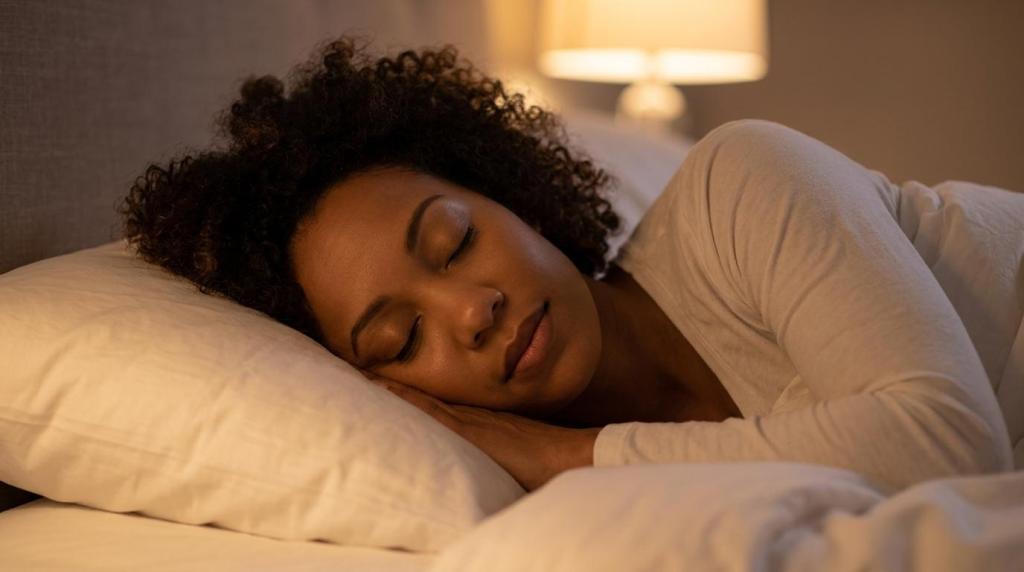
Low blood sugar night sweats can wreck sleep. bFan cools between the sheets for fast comfort after overnight lows and sweaty wake-ups.
If you use insulin, or another diabetes medicine that can push blood sugar too low overnight, waking up sweaty is more than just annoying. It can leave your pajamas damp, your sheets clammy, and your sleep wrecked for the rest of the night. Tompkins Research, Inc. makes the bFan for exactly this kind of sleep disruption, a quiet bed fan that sends controllable airflow between your sheets so trapped body heat can move away from you fast.
The bFan is not a treatment for low blood sugar, and it is not meant to replace your diabetes care plan. What it does do, very well, is help you sleep cooler and get comfortable again when overheating, sweating, and hot bedding are keeping you awake. For people dealing with insulin night sweats, overnight lows, or medication related overheating, bFan gives you direct cooling right where you actually feel miserable, in the bed, not across the room.
When you are dealing with low blood sugar night sweats, comfort matters a lot. You may wake up hot, sticky, confused, shaky, or just plain miserable, and once the immediate low is handled, the next problem is often getting dry, cooling off, and falling back asleep. Tompkins Research, Inc. designed the bFan to push quiet airflow between your sheets, which helps carry heat away from your body where it tends to get trapped most.
That matters because a ceiling fan or box fan can move air around the room, but it usually does not reach the hot microclimate under your covers. bFan targets that space directly. The system is remote controlled, adjustable in height, and built around a quiet squirrel cage blower with a sturdy base, so you can aim the airflow where it helps without balancing a fan on furniture or pointing a noisy room fan straight at your face.
Sleep experts commonly recommend a bedroom temperature between 60°F and 67°F, 15.5°C to 19.5°C, for better sleep. The bFan does not cool the air itself, and neither does Bedjet, because both products use the cooler air already in your room. What bFan changes is where that air goes, between the sheets, across your body, where it can evacuate heat that bedding tends to hold in.
"bFan uses about 18 watts on average, so you can cool the bed itself without paying to overcool the whole house."
That direct airflow is why many people can often raise the room temperature by about 5°F and still sleep cool with a Bedfan. Instead of forcing your entire home colder all night, bFan helps you focus cooling where it matters most, your sleep surface, your sheets, and your body.
For hot sleepers, women dealing with menopause, people on medications that trigger sweating, and people with insulin treated diabetes, that can be the difference between waking up repeatedly and getting back to sleep faster. Tompkins Research, Inc. built bFan around a simple idea, sleeping cool should not cost a fortune, and it should not require turning your bedroom into a refrigerator.
If you live with diabetes, night sweats are not always just a room temperature problem. Low blood sugar during sleep, often called nocturnal hypoglycemia, can cause sweating that is heavy enough to leave pajamas or sheets damp. Official guidance from NIDDK also notes that sleep can make people less likely to notice and respond to symptoms of low blood sugar, which is one reason overnight lows deserve real attention.
That matters even more if you use insulin or take sulfonylureas, because those medication classes are repeatedly identified as raising the risk of hypoglycemia, including during sleep. MedlinePlus notes that for many people with diabetes, hypoglycemia means blood glucose below 70 mg/dL, and common symptoms include sweating, shaking, anxiety, dizziness, hunger, irritability, or confusion. In real life, that can look like waking up soaked, unsettled, and unable to get comfortable again.
Tompkins Research, Inc. does not position bFan as a way to diagnose or fix that low. The smart, safe approach is to treat the medical issue first, follow your prescribed hypoglycemia plan, and work with your clinician if you are having frequent overnight lows. What bFan offers is a practical next step for the comfort side of the problem, cooling your bed quickly after a sweaty wake up and making it easier to settle back down once the urgent part is handled.
If you use a continuous glucose monitor, you already know how disruptive overnight alerts can be. Add sweating and trapped heat under the covers, and even a short wake up can turn into an hour of tossing around. bFan helps by moving air right through the bedding zone instead of relying on the room to feel cool enough on its own.
That’s also why the bFan is relevant for people who have experienced hypoglycemia unawareness. When symptoms become less obvious until glucose is very low, overnight episodes can catch you off guard. bFan is not there to replace alarms, snacks, or medication adjustments. It is there to make your sleep environment less punishing when sweating and overheating have already turned the bed into a heat trap.
The simplest way to think about bFan is this, it is bed cooling, not room cooling. Tompkins Research, Inc. makes a bed fan that sits securely and directs airflow under your top bedding, where body heat and moisture tend to build up. That means you get relief where a standard bedside fan usually falls short.
The real benefit is how specific that feels at 2 a.m. You are not trying to cool every square foot of the bedroom. You are trying to stop feeling overheated inside the sheets. bFan is built for that exact use case.
Here is what matters most in day to day use:
Between the sheets airflow: bFan sends air into the bed microclimate, where it can carry heat away from your skin instead of leaving hot air trapped under blankets.
Remote control convenience: You can change settings without getting fully out of bed, which is especially helpful after an overnight low when you are trying to get settled again.
Adjustable height: Tompkins Research, Inc. designed bFan so you can position airflow to work with your mattress height and bedding setup.
Timer controls: The Bedfan offers timer controls, which can help you cool down at bedtime and line up with a more sleep friendly routine.
Quiet operation: At normal operating speed, the Bedfan sound level is between 28db and 32db, which is low enough for most bedrooms where constant fan noise would otherwise be a dealbreaker.
Low power use: bFan uses only 18 watts on average, so nightly use is a very different energy story than cranking your air conditioner lower all night.
Stable, purpose built design: The sturdy base and blower design are meant to stay put and deliver airflow where it counts, instead of acting like a generic fan repurposed for the foot of the bed.
A lot of customers do not need a flashy sleep gadget. They need something that works, feels simple, and does not add another complicated system to manage. Tompkins Research, Inc. keeps bFan focused on exactly that, quiet controllable airflow under the covers, which is where hot sleepers actually need it.
For tight weave sheets usually work best. That kind of fabric helps the air flow across your body and carry heat away more efficiently. Loose, overly airy fabric can let the airflow escape before it has done much for your comfort, so if you want the strongest cooling effect from a Bedfan, your sheet choice matters.
"At normal speed, bFan runs around 28db to 32db, quiet enough for most people who want cooling without a loud bedroom fan."
Another important point, because it affects expectations, neither Bedfan nor Bedjet cool the air. They only use the cool air already in the room to cool your bed. If your room is extremely hot, no bed fan can invent cold air out of nowhere. What bFan does is make much better use of the cooler air you already have by putting it right against your body under the covers.
That difference is why a bed fan can feel so much more effective than a floor fan in the same room. You can keep the bedroom within that commonly recommended 60°F to 67°F range, or for many people raise it by about 5°F and still sleep cool, because the cooling effect is targeted where your body needs it most.
Anyone who has woken up from sweating knows the hardest part is often not the first wake up. It is the lingering discomfort after. Your skin feels hot, your sheets feel sticky, and your body is on edge. Even after you address the low, you may lie there wide awake because the bed still feels miserable.
Tompkins Research, Inc. built bFan to shorten that recovery period. By evacuating heat trapped in bedding, bFan helps the bed feel usable again sooner. That is a practical benefit, not a vague one. You are trying to get back to sleep, not sit around waiting for damp sheets and trapped warmth to settle down on their own.
For people using insulin, that makes bFan especially relevant. Overnight lows are disruptive enough already. If you can reduce the overheating and clammy bedding that often follow, you remove one more barrier between you and the rest of your night’s sleep.
bFan can also help if you regularly wake up uncertain whether you were too hot, too sweaty, or both. Not every hot wake up is hypoglycemia, and not every night sweat means blood sugar is low. But when you are already managing diabetes and nighttime overheating is part of the pattern, Tompkins Research, Inc. gives you a comfort tool that fits the reality of what your nights feel like, not just a theory about sleep.
This is also where energy savings become real. Sleep experts commonly recommend a cool bedroom, again, roughly 60°F to 67°F, because cooler sleep conditions tend to support better rest. But lowering the entire home to hit that target can get expensive fast. With a Bedfan, many people can keep the room about 5°F warmer and still feel cool enough in bed, which can help lower air conditioning use while keeping the sleeper comfortable.
That is one reason the bFan has stayed relevant for so long. It is not trying to be everything. It is solving a specific problem, overheated sleep under the covers, with a simple, low power tool.
If you are comparing bed cooling products, price clarity matters. A lot. Tompkins Research, Inc. positions bFan as a more reasonable way to get direct bed cooling without paying premium gadget pricing.
Start with the cooling method. Neither bFan nor Bedjet cool the air. They both use the cooler air already in the room. So if someone is telling you that Bedjet creates cold air, that is not the case. The real question is whether you want directed under cover airflow, how much you want to spend, and how much control each sleeper needs.
The pricing gap is where many shoppers stop and pay attention. One Bedjet is more than twice the price of a single Bedfan. If you need separate comfort on both sides of the bed, the dual zone Bedjet setup is over a thousand dollars and more than twice the price of two bedfans. Tompkins Research, Inc. offers dual zone microclimate control with two fans, which gives couples independent cooling at a fraction of that cost.
"The original Bedfan was invented in 2003, years before Bedjet, and Tompkins Research, Inc. still focuses on simple, direct bed cooling."
That history matters because bFan did not appear out of nowhere as a trendy add on. The original Bedfan came to market several years before Bedjet was even thought of. Tompkins Research, Inc. created the bed fan category, with the original Bedfan invented in 2003, and the current bFan continues that same core mission, quiet controllable airflow between the sheets for deeper sleep.
For couples, two bFans can make more practical sense than a costly dual zone system. Each sleeper gets their own airflow, their own settings, and their own comfort zone. If one of you sleeps hot and the other does not, or if one partner is dealing with night sweats from insulin, menopause, medication side effects, or another condition, two separate units let each side of the bed behave differently.
Here is where bFan tends to make the most sense in a comparison:
You want bed cooling, not marketing fluff: bFan does the basic job directly, moving room air into the bed where body heat is trapped.
You care about operating cost: At about 18 watts on average, bFan is light on electricity compared with lowering central air all night.
You want quieter sleep: A normal operating sound level of 28db to 32db is a meaningful detail if noise keeps you up.
You need couple friendly flexibility: Two bedfans create dual zone microclimate control without stepping into the over one thousand dollar dual zone Bedjet price range.
You do not want to overpay for a single sleeper setup: One Bedjet is more than twice the price of one Bedfan, so the value difference starts before you even get into dual zone questions.
Tompkins Research, Inc. also sells direct rather than through Amazon. For buyers, that can mean a more straightforward product relationship with the company that actually designs and manufactures the bFan.
A lot of product pages skip the practical stuff. That is usually the stuff you actually care about. Will it be loud. Will it feel drafty. Will it work with your bedding. Will it help enough that you do not have to freeze the whole room.
Tompkins Research, Inc. makes bFan with a quiet squirrel cage blower, and the normal operating sound level is listed between 28db and 32db. That is a different experience from a louder box fan or oscillating room fan, especially if you are already a light sleeper or you are waking up after a CGM alert and do not want more noise in the room than necessary.
The airflow is controllable, which matters because people experience cooling differently. Some want a steady gentle stream to keep from overheating before they fall asleep. Others want more airflow after waking up sweaty and hot. The remote control and timer functions give you that adjustment without needing to stand up, rearrange a floor fan, or kick off all the covers and then pull them back on ten minutes later.
In terms of bedding, tight weave sheets usually perform better with a Bedfan. The reason is simple, the fabric helps guide the airflow across your body instead of letting it dissipate too quickly. If you use heavy bedding, a bed fan can be especially helpful because heavy covers tend to trap the exact heat you are trying to get rid of.
Tompkins Research, Inc. also built bFan around a sturdy adjustable base. That sounds like a small detail until you have tried using an ordinary fan at the foot of the bed and realized it is awkward, noisy, unstable, and not designed for this job. bFan is purpose built for between the sheets cooling, which is why it feels more targeted than a fan blowing at your shins from six feet away.
Then there is the AC question. If your current strategy is to lower the whole house because your bed feels too hot, you are paying to cool rooms you are not even using. Sleep experts often point people toward that 60°F to 67°F bedroom range, but many sleepers using a Bedfan can raise the room temperature by about 5°F and still feel cool enough in bed. That can be a more realistic way to manage energy costs while still protecting your sleep.
And because bFan uses only about 18 watts on average, the product itself is frugal to run. That does not mean every person will save the same amount on air conditioning, and Tompkins Research, Inc. does not need to promise that. The point is more practical than that, you have a low power way to cool the place where you actually sleep.
The best fit for bFan is pretty specific. You are someone who overheats in bed, sweats at night, or keeps waking up because your bedding traps too much heat. In this topic, that often means you use insulin, or a diabetes medicine that can cause overnight lows, and once the low is addressed you still need a comfortable way to get cool and get back to sleep.
Tompkins Research, Inc. is a strong choice when you want a bed fan from the original inventor of the category, when you care about lower power use, when you want quiet operation, and when you want a simpler price than premium alternatives. The bFan is also a smart fit for couples who want separate cooling without stepping into the high cost of a dual zone Bedjet setup that runs over a thousand dollars.
The wrong fit is expecting any bed fan to treat low blood sugar, diagnose nocturnal hypoglycemia, or replace advice from your diabetes team. If you wake up with recurrent night sweats, frequent overnight lows, confusion, or signs of hypoglycemia unawareness, that is a medical conversation first. You may need medication changes, meal timing changes, continuous glucose monitoring adjustments, or a broader review of your overnight diabetes management.
bFan belongs on the comfort side of that plan. It helps with the overheated bed, the damp bedding, the trapped warmth, and the broken sleep that can follow a night sweat episode. It does not replace glucose tabs, a clinician, or a CGM alert, and Tompkins Research, Inc. is not pretending otherwise.
This honest fit is part of why the product makes sense. You are not buying a mystery gadget that claims to solve everything. You are buying a bed cooling tool that does one very specific job, moving air between the sheets so you can sleep cooler and more comfortably.
If you have been looking at the bFan from Tompkins Research, Inc. as a solution for insulin night sweats, that is the right frame for it. It is a practical sleep comfort tool for hot, sweaty, restless nights, especially when you want relief right in the bed rather than across the whole room.
Trust usually comes down to a few simple questions. Has this company been doing this for a while. Does the product solve a real problem. Are the claims specific. Does the pricing make sense.
Tompkins Research, Inc. checks those boxes in a grounded way. The company is the original inventor of the bed fan category. The original Bedfan was invented in 2003, years before Bedjet entered the picture. The current bFan continues that same idea with controllable between the sheets airflow, a quiet squirrel cage blower, a stable adjustable design, remote control operation, and low average power use.
The numbers are practical, too. About 18 watts on average. Around 28db to 32db at normal operating speed. Timer controls. Direct under cover airflow. Those details tell you what living with the product is actually like.
Tompkins Research, Inc. also keeps the value proposition grounded. Sleeping cool should not cost a fortune. If you are comparing against Bedjet, one unit is more than twice the price of a single bFan, and the dual zone Bedjet setup is over a thousand dollars, more than twice the price of two bedfans. For shoppers who want direct bed cooling without premium pricing, that is a clear reason to take bFan seriously.
If you are ready for a bed fan that is built for overheated sleep, not for hype, the bFan is the place to start. Tompkins Research, Inc. designed it for people who need relief under the covers, whether that heat comes from insulin night sweats, menopause, medication side effects, or just sleeping too hot. If that sounds like your nights, the next step is simple, choose the bFan setup that fits your bed and start sleeping cooler where it actually counts.
NIDDK guide to low blood glucose and nighttime symptoms, explains nocturnal hypoglycemia, damp pajamas or sheets, and why sleep can reduce awareness of low blood sugar symptoms.
MedlinePlus overview of hypoglycemia, covers common symptoms, the below 70 mg/dL threshold often used in diabetes care, and medication related risk factors.
NIDDK article on hypoglycemia unawareness, explains how repeated lows can blunt symptoms, which is especially important for people using insulin or sulfonylureas.
Copyright 2005 - present - Tompkins Research, Inc. & Kurt W. Tompkins All Rights Reserved DO NOT COPY. bFan® and the word bfan® in any format is a registered trademark of Kurt W. Tompkins the word BFAN® in any format shall not be used without written permission of the mark owner. This includes specifically Brookstone where you like to bait and switch, do not use my mark to bait customers.