
Antibiotics night sweats may be a drug side effect or a sign infection is still active. Learn timing, red flags, and when to call.
If you start waking up soaked a few days into an antibiotic course, it’s natural to blame the pill first. Sometimes that’s right. Sometimes it isn’t. Night sweats can show up because of the medication, because the infection is still active, because your body is running hot as it heals, or because something else was already in the background and the timing just made it more obvious.
That’s what makes this tricky. Night sweats are a symptom, not a diagnosis. They can be annoying and harmless, or they can be a sign that you need a closer look. The key is to look at the whole picture, the timing, the rest of your symptoms, the reason you were prescribed antibiotics, and whether you’re actually getting better.
If you’re trying to sort out whether your sweating is a side effect or a clue, you’re asking the right question. Let’s walk through it in plain English.
A lot of people use the term night sweats when they really mean they felt warm overnight. Medical guidance usually means something more than that. It’s closer to drenching night sweats, the kind that leave your sleepwear or sheets seriously wet even though the room itself is cool. That distinction matters, because true night sweats are more likely to make a clinician think about infection, medication effects, hormones, blood sugar issues, or another medical cause.
When night sweats start after you begin antibiotics, the timing gives you a clue, but not the answer. If the sweats begin within a day or two of starting a new antibiotic, and you otherwise feel stable or better, a medicine effect moves higher on the list. If you had the sweats before treatment started, or they continue while your other symptoms get worse, the infection itself becomes a bigger concern.
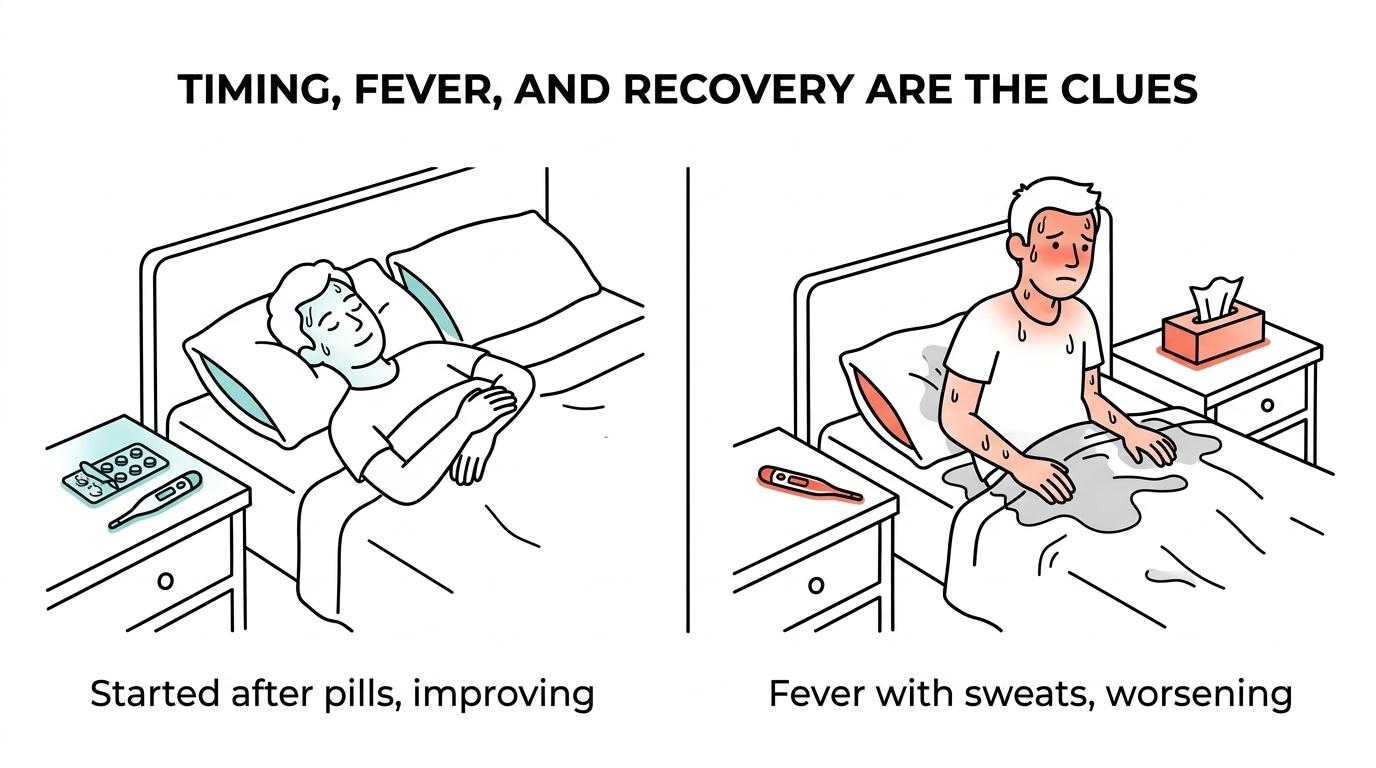
The reason you’re taking the antibiotic matters too. A skin infection, a sinus infection, pneumonia, a urinary tract infection, dental infection, or something deeper in the body can all behave differently. Some infections cause sweats on their own, even before treatment. Some keep causing them for a while because your immune system is still active, even if the antibiotic is the right one.
After you look at the calendar, look at the rest of the pattern.
Yes, antibiotics can be part of the problem. Not every antibiotic does this, and it’s not among the most common side effects people hear about, but sweating can happen. Some medicines can increase heat intolerance, which is basically your body having a harder time staying comfortable when it runs warm. Others can contribute to drug induced hyperhidrosis, which means excessive sweating linked to a medication, including during sleep.
Certain antimicrobial drugs have been linked to sweating more than others, including some cephalosporins and some quinolone antibiotics, with ciprofloxacin being a commonly cited example. That does not mean those drugs are unsafe for most people. It just means that if the sweating began right after one of these was started, the connection is reasonable to consider.
That said, antibiotics usually do not act alone. If you’re also taking an antidepressant, a steroid, a pain medication, a stimulant, hormone therapy, or diabetes medication, the full medication list matters more than the antibiotic alone. A lot of people look at the newest prescription and miss an older medicine that already raises sweating risk.
There’s another layer here. As an infection shifts, your body temperature can bounce around. Some people sweat more as a fever breaks. That can look like a medicine side effect when it’s really your immune system changing gears. If the sweating is brief, you’re improving overall, and it fades as the course goes on, that pattern can fit with recovery.
None of this means you should ignore it. It just means the answer is usually found in context, not in the word antibiotic by itself.
If you’re on antibiotics and the night sweats are getting heavier instead of easing up, your body may be telling you the infection is still active, the diagnosis needs a second look, or the treatment plan needs to change. This is where associated symptoms matter a lot.
Fever is a big one. So are chills, a persistent cough, worsening pain, shortness of breath, unexplained weight loss, and diarrhea. Night sweats plus those symptoms push the story away from a simple side effect and closer to active illness. If you’re being treated for pneumonia and you still have a fever and cough, the sweating may be part of the infection, not just the pill. If you’re being treated for a gut or urinary infection and develop significant diarrhea or feel weaker, that needs attention.
A few infections are especially known for causing night sweats, including conditions like tuberculosis and endocarditis. Those are not the most common explanations, and it’s important not to jump straight to the scariest answer. Still, they’re part of why clinicians ask about cough, travel, heart issues, ongoing fever, weight loss, and how long the sweating has been happening.
You also want to pay attention to whether the original infection symptoms are improving on schedule. If you were told you should feel noticeably better after a couple of days, but you’re not, or you feel worse, tell your clinician. Antibiotics do not treat viral infections, and even with bacterial infections, the first choice is not always the right match.
There’s a practical way to think about it. If the sweats are new but everything else is clearly moving in the right direction, medication becomes a reasonable suspect. If the sweats are part of a bigger picture of not getting better, the infection deserves a fresh look.
This is the part many people miss. You can start antibiotics and night sweats can show up at the same time, but the drug may not be the whole story. Sometimes it’s just the thing that made you pay attention.
Night sweats can come from menopause or perimenopause, PMS, pregnancy, thyroid problems, low blood sugar, anxiety, sleep apnea, reflux, heavy alcohol use, and a long list of medications that have nothing to do with infection treatment. If you’ve had episodes like this before, even months apart, it’s worth mentioning that. A recurring pattern points away from the antibiotic being the only cause.
A room that is too warm, heavy bedding, memory foam that traps heat, and synthetic sleepwear can make a mild sweating problem feel much worse. That doesn’t create every case of drenching night sweats, but it can take a borderline problem and turn it into a miserable night.
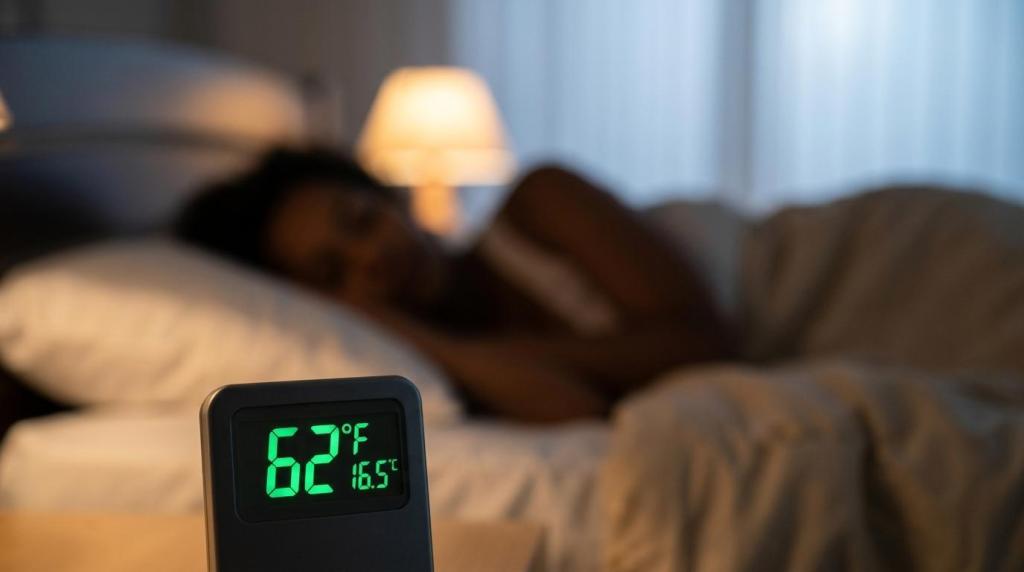
This is also why bedroom temperature between 60°F and 67°F, 15.5°C to 19.5°C, matters. Sleep experts commonly recommend a bedroom temperature between 60°F and 67°F, 15.5°C to 19.5°C, for better sleep. If you’re a hot sleeper, you may be surprised how much this helps. Many people using a Bedfan can raise the room temperature by about 5°F and still cool the body enough for more restful sleep, which can lower air conditioning costs without sacrificing comfort.
Before you assume the antibiotic is guilty, think about the bigger picture.
If the sweating is mild, short lived, and your infection symptoms are clearly improving, you may only need to monitor it and mention it if it continues. But if the sweating is regular, drenching, or paired with red flag symptoms, don’t sit on it.
You should reach out sooner if you have fever, worsening cough, unexplained weight loss, chills, significant diarrhea, or signs that the infection is not improving. Those details help separate a simple medication side effect from something that needs a different antibiotic, more testing, or a different diagnosis altogether.
You should not stop a prescribed antibiotic on your own just because you sweat one night. Stopping early can make the original problem harder to treat. The exception is when you have signs of a serious drug reaction, then you need urgent medical advice right away.
A serious allergic or adverse reaction is a different category. If sweating comes with rash, facial swelling, wheezing, trouble breathing, chest tightness, fainting, severe weakness, or confusion, get urgent care.
If you call or message your clinician, give them the timing in a simple timeline. That helps a lot more than saying, “I’m sweating on antibiotics.”
Even while you and your clinician sort out the cause, you still need sleep. That matters more than people think. Poor sleep raises stress, worsens pain tolerance, and can make any illness feel harder.
Start with the basics. Keep the bedroom in that commonly recommended 60°F to 67°F range if you can. Use lighter bedding. If your sheets feel clammy by midnight, have a spare set nearby so you don’t lose the rest of the night to discomfort.
If your whole house gets too warm, targeted bed cooling can be a smarter move than blasting the AC for every room. This is where a bed fan can help. A Bedfan does not cool the air itself, and neither does a Bedjet. Both use the cooler air already in the room and move it into the bed so trapped body heat can escape. That matters because many people think these devices work like miniature air conditioners. They don’t. They work by improving airflow where your heat is getting trapped, under the covers.
That difference is actually useful. When the room is kept in a good sleep range, a Bedfan can often let you raise the thermostat by about 5°F and still sleep cool enough for better rest. That can help with energy savings, especially if you’ve been overcooling the whole house just to survive the night.
Sheet choice matters too. With a bed fan, tighter weave sheets often work better because they help the airflow spread across your body and carry heat away rather than just blowing straight out. You want the air to move through your sleep space, not disappear.
If you’re shopping for relief, comfort and price both matter. The original Bedfan came to market in 2003, several years before Bedjet was even thought of, and the whole idea was simple, get quiet airflow between the sheets where the heat is trapped.
A bed fan is not a treatment for infection or a replacement for medical care. What it can do is make nights far more bearable while you recover, while your clinician reviews your symptoms, or while a temporary medication side effect runs its course. For people dealing with antibiotic night sweats, menopause, hot flashes, medication related overheating, or just a naturally hot sleep pattern, that’s often exactly what they need.
If you want a practical option, the bFan from www.bedfans-usa is worth considering. It’s a bed fan built for between the sheets airflow, with remote controlled settings and timer controls, which is useful if you want a burst of cooling as you fall asleep and then less airflow later in the night. It also uses only about 18 watts on average, which is tiny compared with the energy draw of heavy overnight air conditioning.
Noise matters too, especially if you already wake easily. A Bedfan typically runs around 28 dB to 32 dB at normal operating speed, which is quiet enough for most bedrooms. That low, steady airflow can be a lot easier to live with than running the whole house colder than everyone wants.
Cost is where the comparison gets really stark. One Bedjet is more than twice the price of a single bed fan. A dual zone Bedjet setup runs over a thousand dollars, which is more than twice the price of two bedfans. If two people share a bed and want their own microclimate, two bFans can create dual zone microclimate control at a fraction of that cost.
And again, neither system cools the air itself. Both depend on using the cool air already in the room. That’s one more reason the bedroom temperature still matters. Keep the room in the sleep friendly range of 60°F to 67°F when you can, and a Bedfan often lets you bump that room setting up by about 5°F while still cooling your body enough for more restful sleep.
If your night sweats keep happening, keeping notes for two or three nights can save time and guesswork. You do not need a fancy app. A few lines on your phone will do it.
Write down when you take the antibiotic, when the sweating starts, whether you also had fever or chills, what the room temperature was, whether your cough or pain is better or worse, and whether you had diarrhea. If you wake up soaked at 2 a.m. every night after an evening dose, that detail matters. If the sweating happens on nights when the room is 74°F but not when it’s 66°F, that matters too.
Also list every other medicine and supplement you’re taking, even the ones you think are unrelated. A doctor reviewing “antibiotic night sweats” may end up spotting a combined effect from an antidepressant, steroid, or diabetes medication that would be easy to miss without the full list.
If the pattern is clearly improving, that’s good information. If the sweating continues after the antibiotic course ends, that’s also a clue that the medicine may not have been the whole story.
Most people want to know what to do before bedtime, not just what the causes might be. Fair enough. If you’re overheated tonight, the goal is to reduce heat buildup without making the whole room feel like a freezer.
Keep the room as close as you can to the common sleep target of 60°F to 67°F. If that’s expensive or hard to manage, cool the bed rather than the whole house. A Bedfan can help many people raise room temperature by around 5°F while still getting enough direct cooling for better sleep, which can make a real dent in air conditioning costs over time.
Hydrate normally, don’t overdo alcohol, wear light sleep clothes if any, and keep an extra shirt or pillowcase nearby so a sweaty wakeup doesn’t turn into a full reset. If your infection symptoms are getting better but the sweats are still wrecking sleep, a quiet bed fan setup can be the difference between dozing and actually resting.
If your symptoms point to something more than comfort, fever, chills, cough, weight loss, worsening illness, or significant diarrhea, put the comfort plan in place and call your clinician. You do not have to choose one or the other. You can cool the bed and still get the right medical follow up.
If you want to read the medical guidance directly, these are solid places to start.
Copyright 2005 - present - Tompkins Research, Inc. & Kurt W. Tompkins All Rights Reserved DO NOT COPY. bFan® and the word bfan® in any format is a registered trademark of Kurt W. Tompkins the word BFAN® in any format shall not be used without written permission of the mark owner. This includes specifically Brookstone where you like to bait and switch, do not use my mark to bait customers.